DORMER ·
Bull in the Heather
A Sonic Youth song, the girl who danced in it, and the gray horse whose name it bore
Bull in the Heather
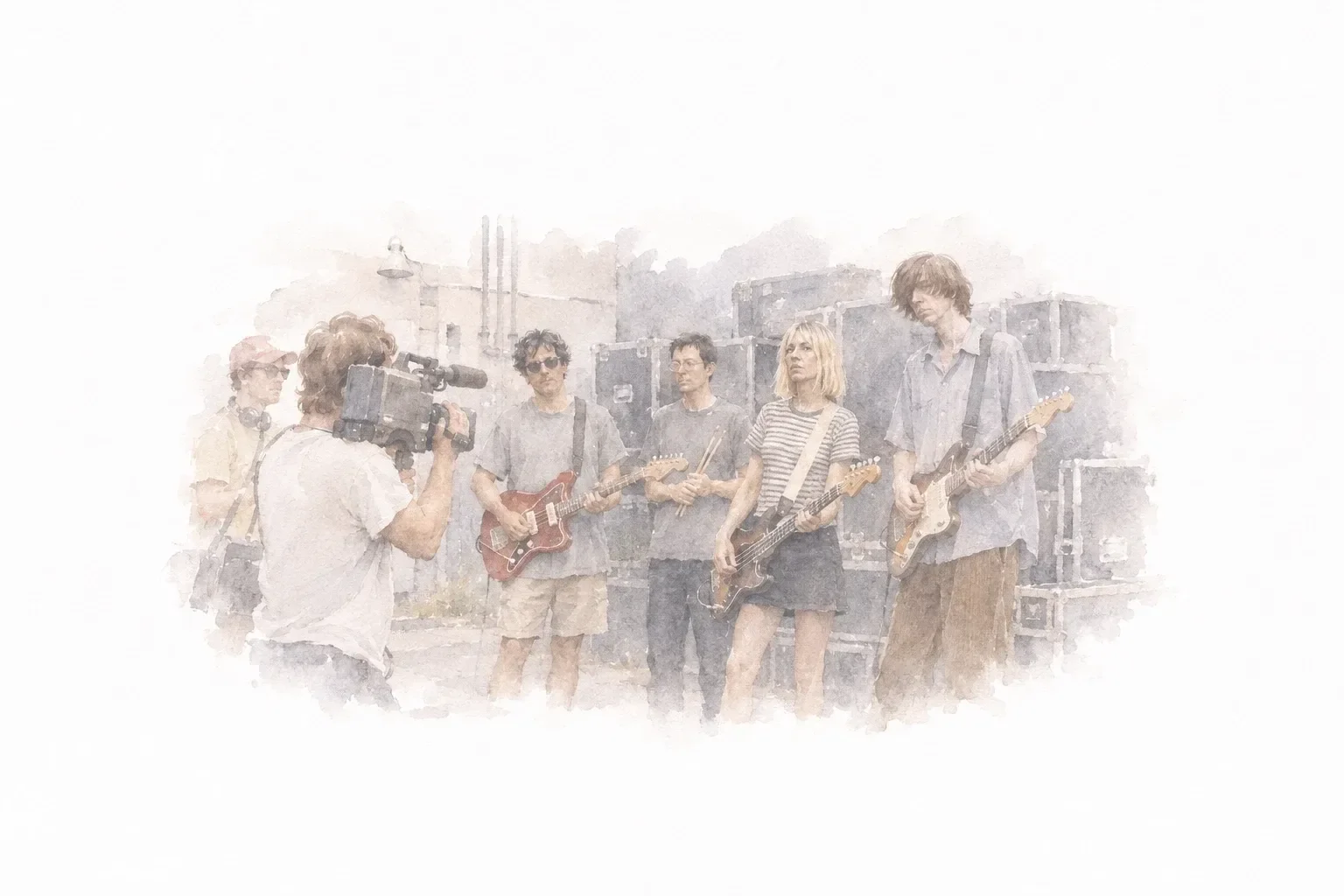
In the spring of 1994, MTV was showing a video in which nothing much seemed to happen. Four musicians played in a room with pink walls. A thin blonde woman with a white bass sang, barely raising her voice, as though talking to herself. Around them darted a girl in sneakers with two short pigtails: tugging at the guitarists’ sleeves, mimicking their poses, lifting her shirt, falling to the floor and springing up again. Between shots, racehorses kept flashing past.
The song was called “Bull in the Heather.” Sonic Youth had written it, and it became perhaps the best known of their songs to get radio play. The girl with the pigtails was Kathleen Hanna, singer in the punk band Bikini Kill, who shortly before had stopped speaking to journalists. And the song’s title belonged to a real horse—a gray stallion who, in the spring of 1993, had won a major race in Florida in a downpour, at odds of twenty-nine to one.
This is a story about a song, a girl, and a horse. The song is still alive, still being played. The horse lived a long life and died at a farm for retired racehorses — the very farm people began to support in earnest after his father’s death.
Part One. The Song
Four from New York
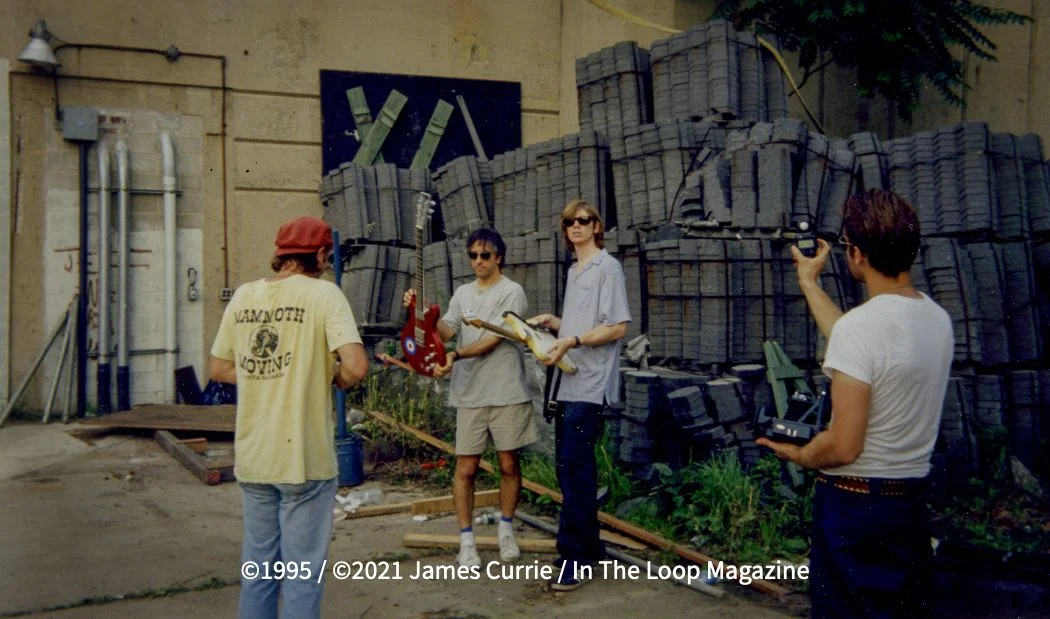
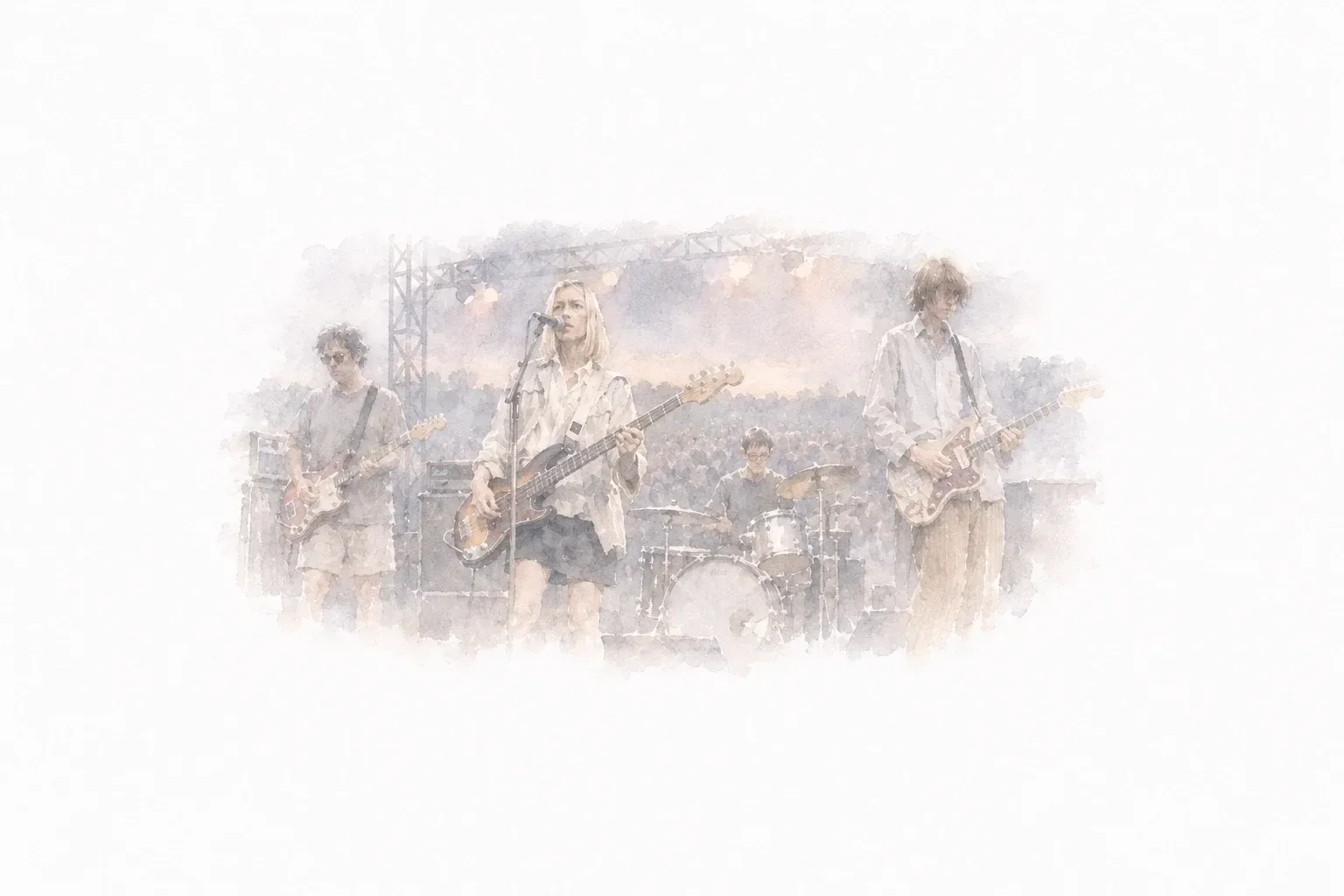
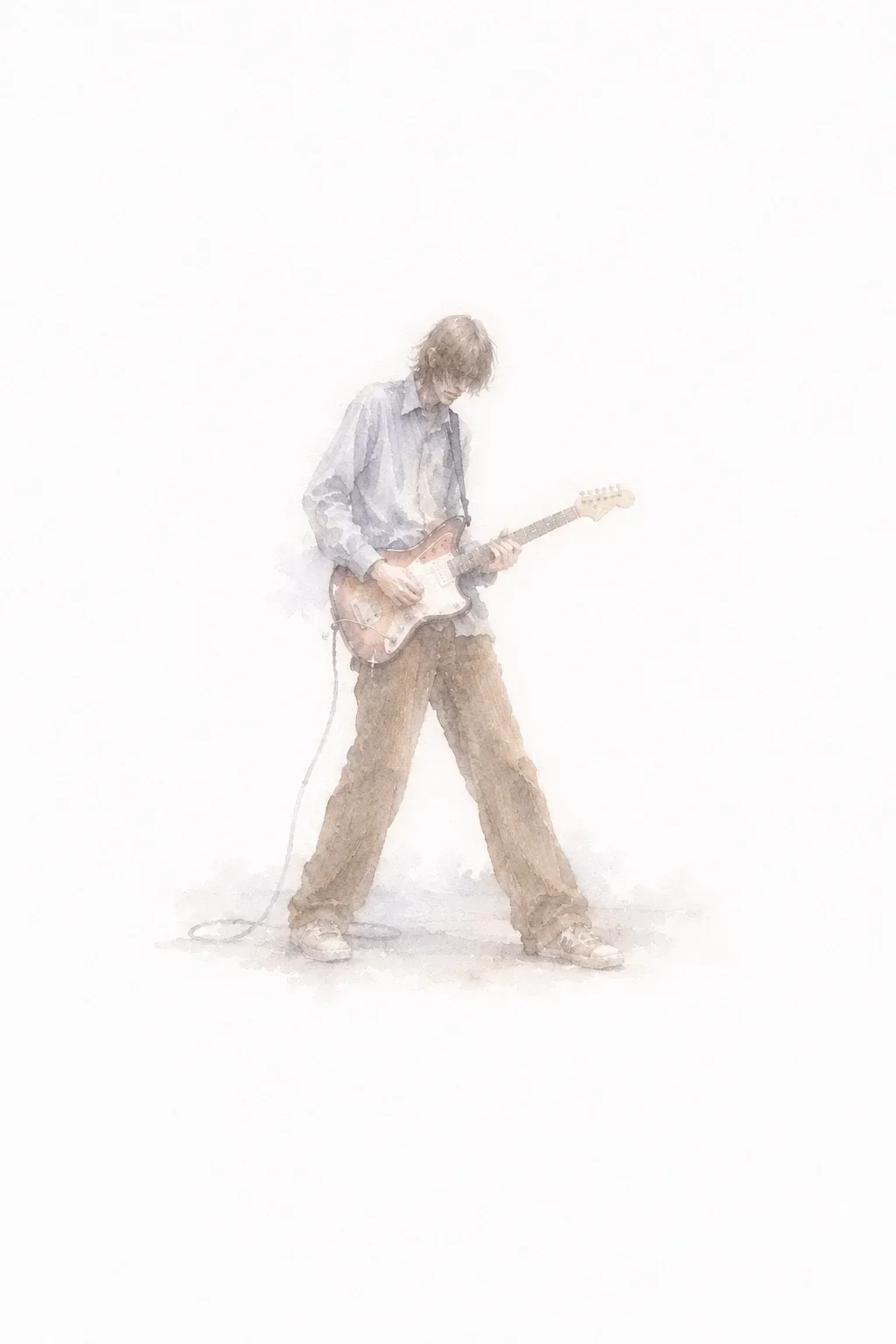
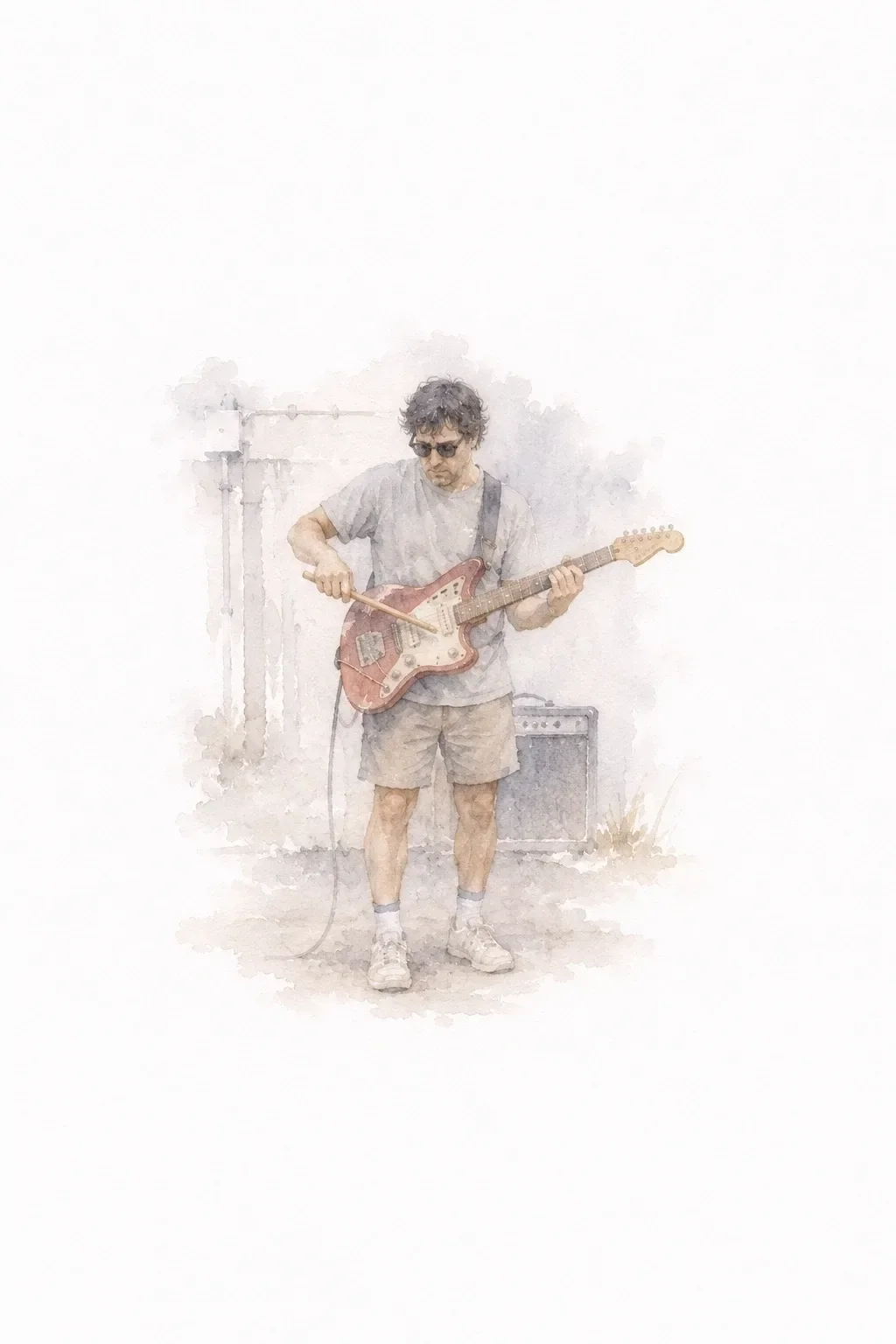
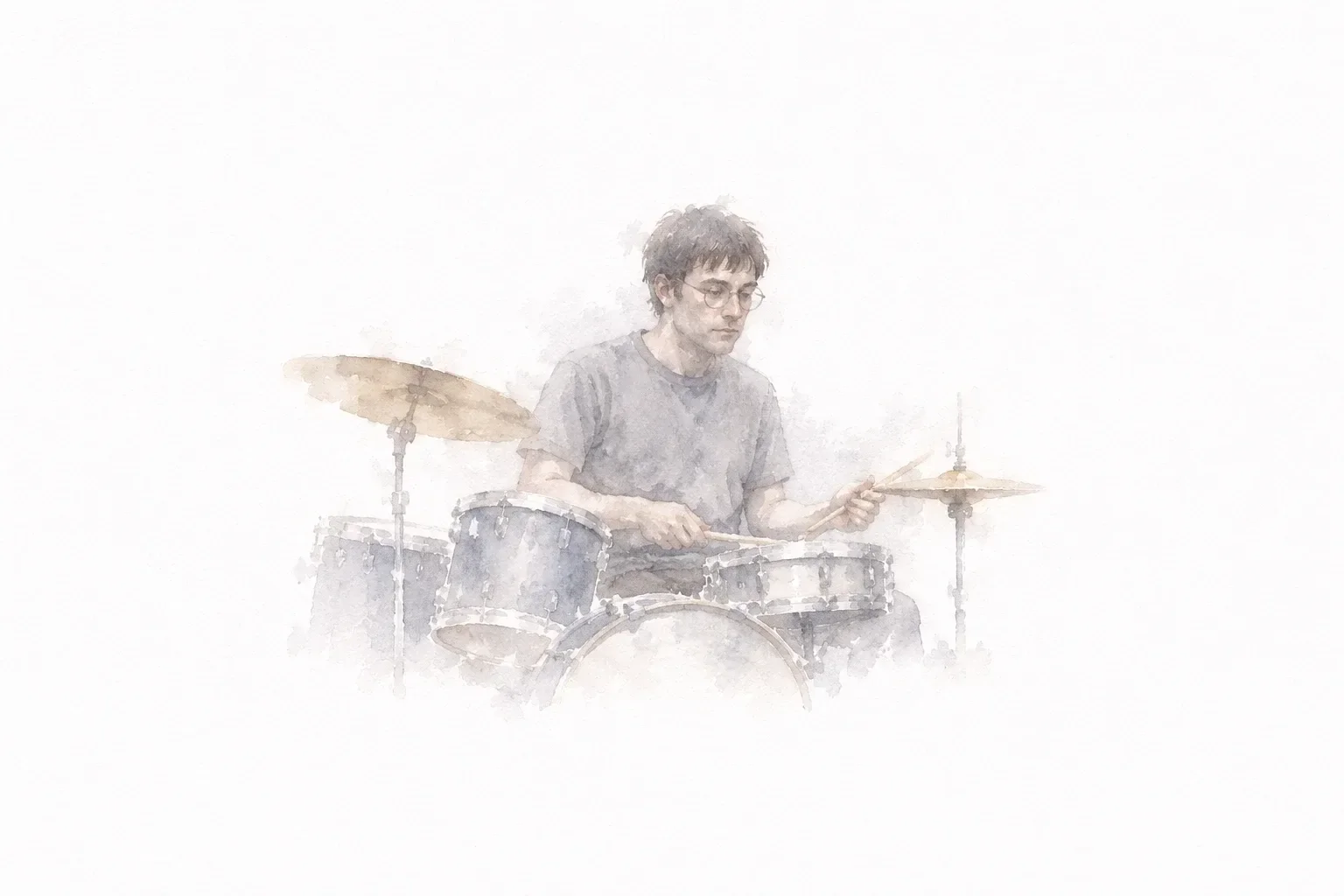
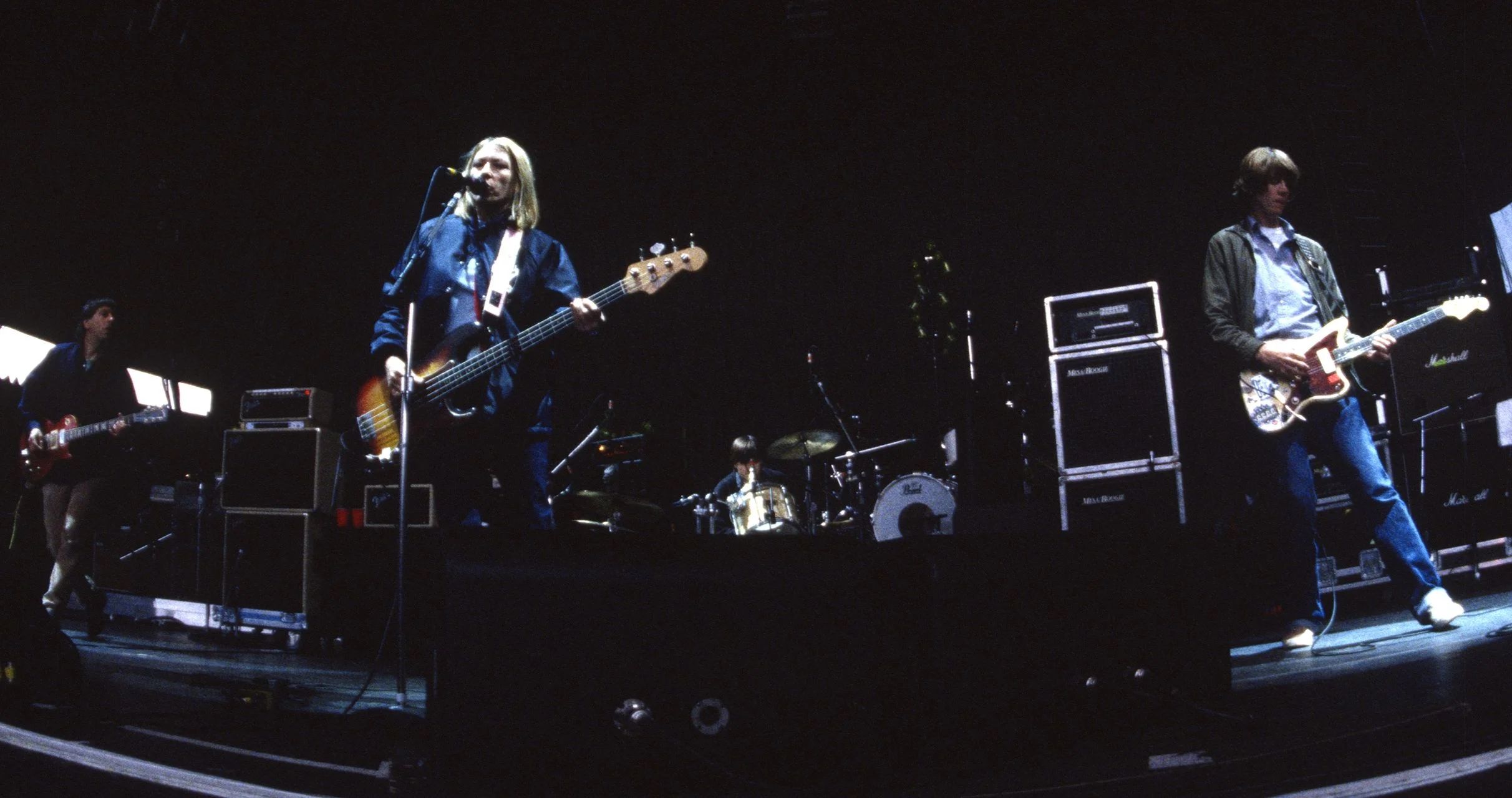
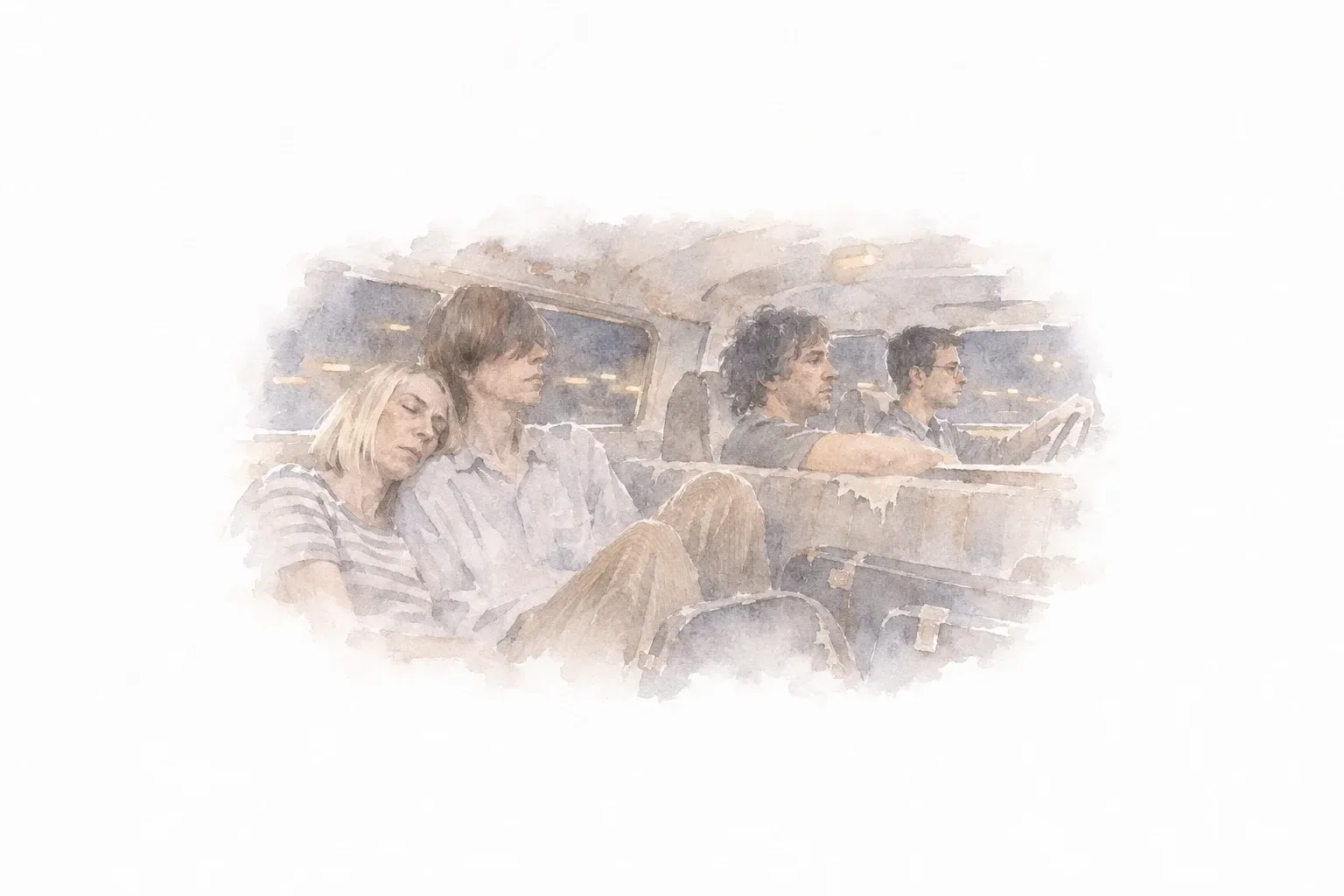
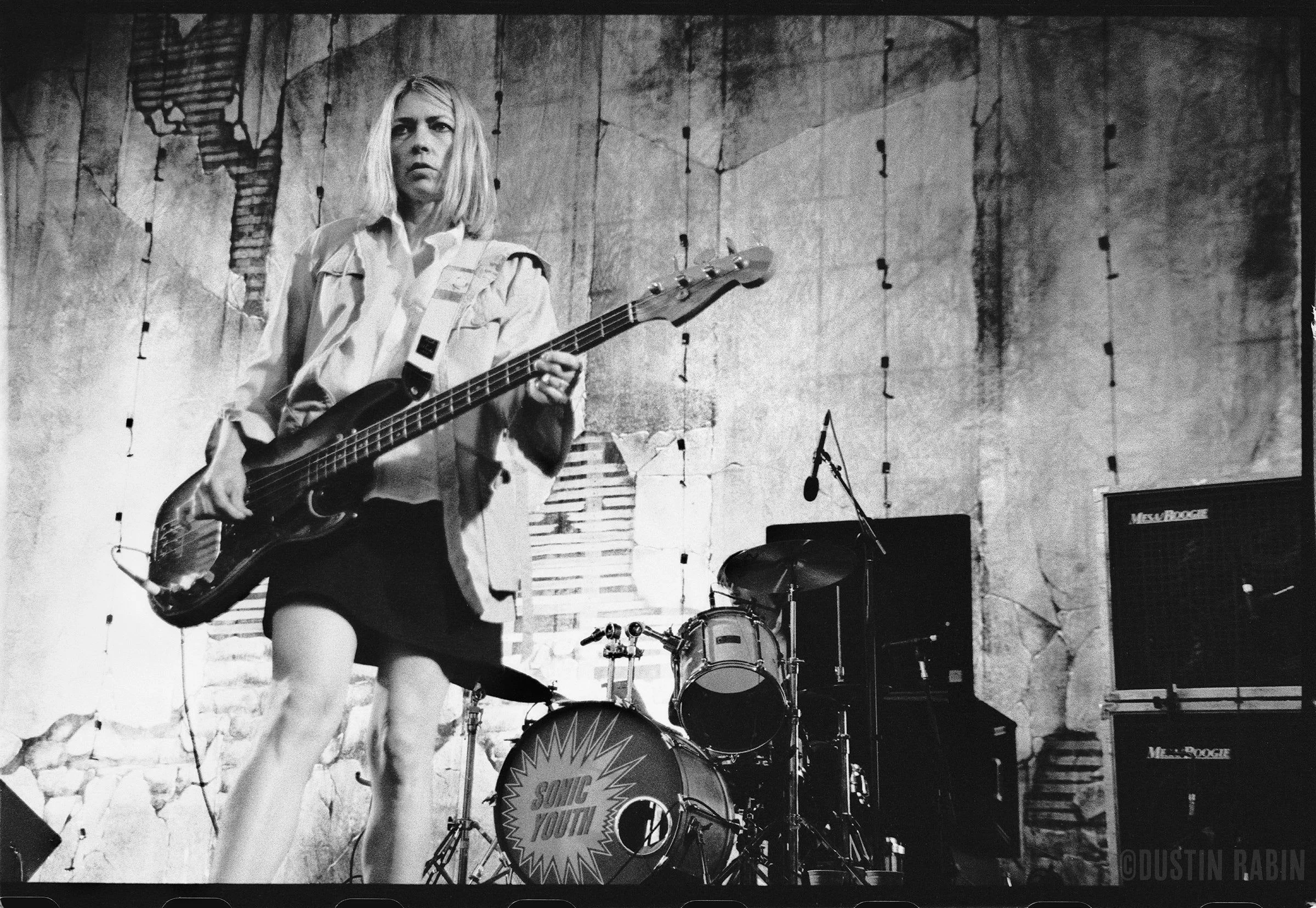
By 1993, Sonic Youth had been playing together for twelve years. The band had grown out of the early-eighties New York scene, where noise music, art galleries, and punk shared the same basements. You could recognize the four musicians from a distance. Kim Gordon, bassist and singer: slender, fair-haired, her face cool and composed, in a striped T-shirt or a short dress. Thurston Moore, her husband: nearly two meters tall, gangly, with a fringe that kept falling into his eyes. Lee Ranaldo: curly-haired, older-looking than the others, the one who might pick up a drumstick and draw it across the strings like a bow. And Steve Shelley behind the drums: short hair, glasses, the neatest man in the untidiest band.
Their guitars sounded like nobody else’s. Moore and Ranaldo almost never used standard tuning: they retuned the strings however they pleased, wedged screwdrivers and sticks beneath them, struck them behind the bridge, where a guitar was not supposed to make a sound at all. The music that came out sounded at once like bells, sirens, and an out-of-tune piano in an empty house.
Since 1990, Sonic Youth had been recording for the major label DGC—the same label that released Nirvana’s Nevermind a year later. And when the world suddenly fell in love with guitar noise, Sonic Youth, who had been making it for ten years, found themselves out of the basement and at the center of things.

A Bumper Sticker
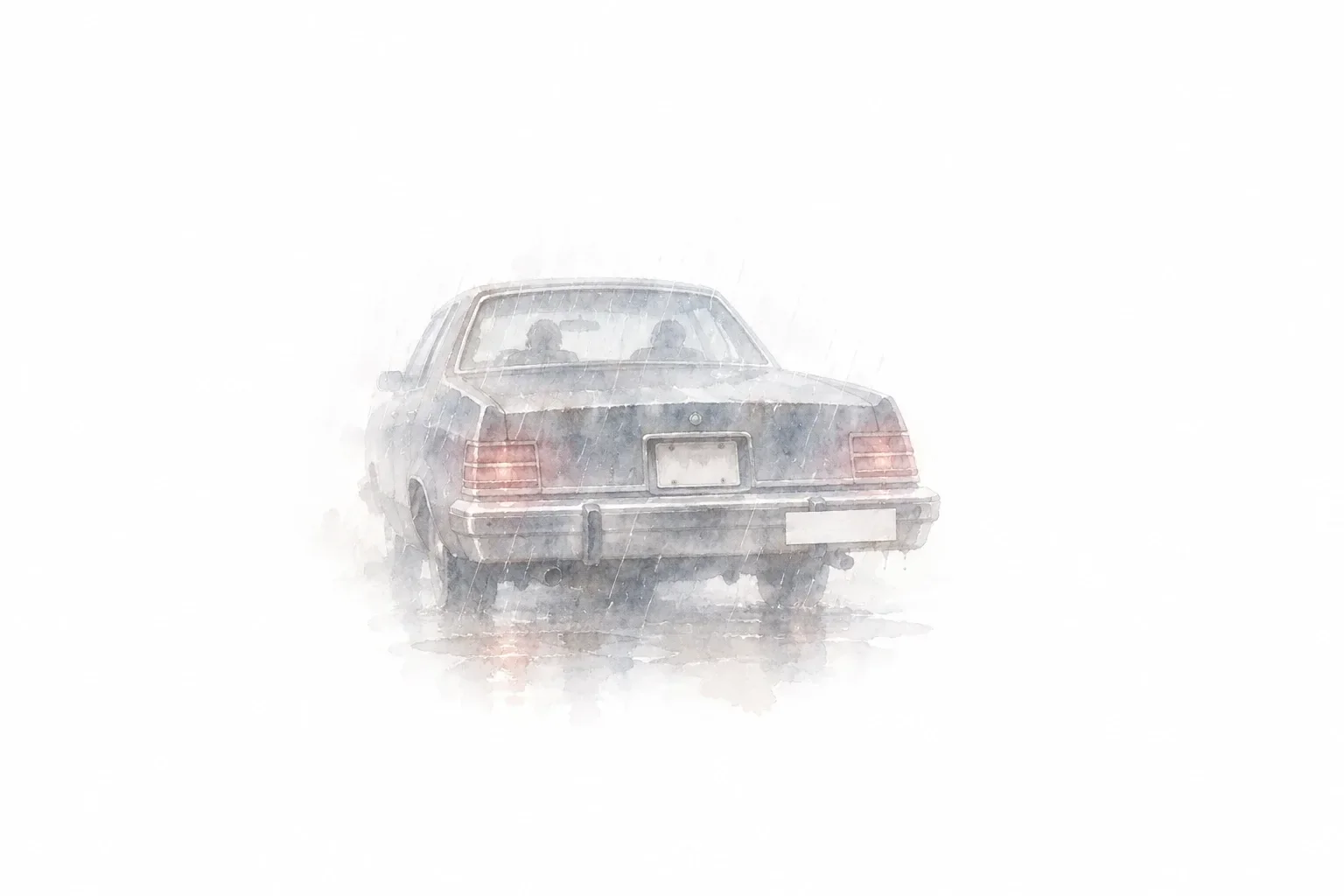
As far as we could establish, the musicians themselves never quite explained where the title came from. One story circulates, and it has the ring of truth. Bob Nastanovich, the drummer in Pavement, friends and touring companions of Sonic Youth, was a passionate racing fan—the kind who knows horses’ names better than his neighbors’. He is said to have sent Thurston and Kim a bumper sticker bearing the name of a horse that had just won in Florida.
It was a strange and beautiful name: Bull Inthe Heather, with “in” and “the” fused into a single word. We will come to the reason in the second part, when we get to the horse. The band separated the words again, and the song became, properly, Bull in the Heather.
All Four, Straight to Tape
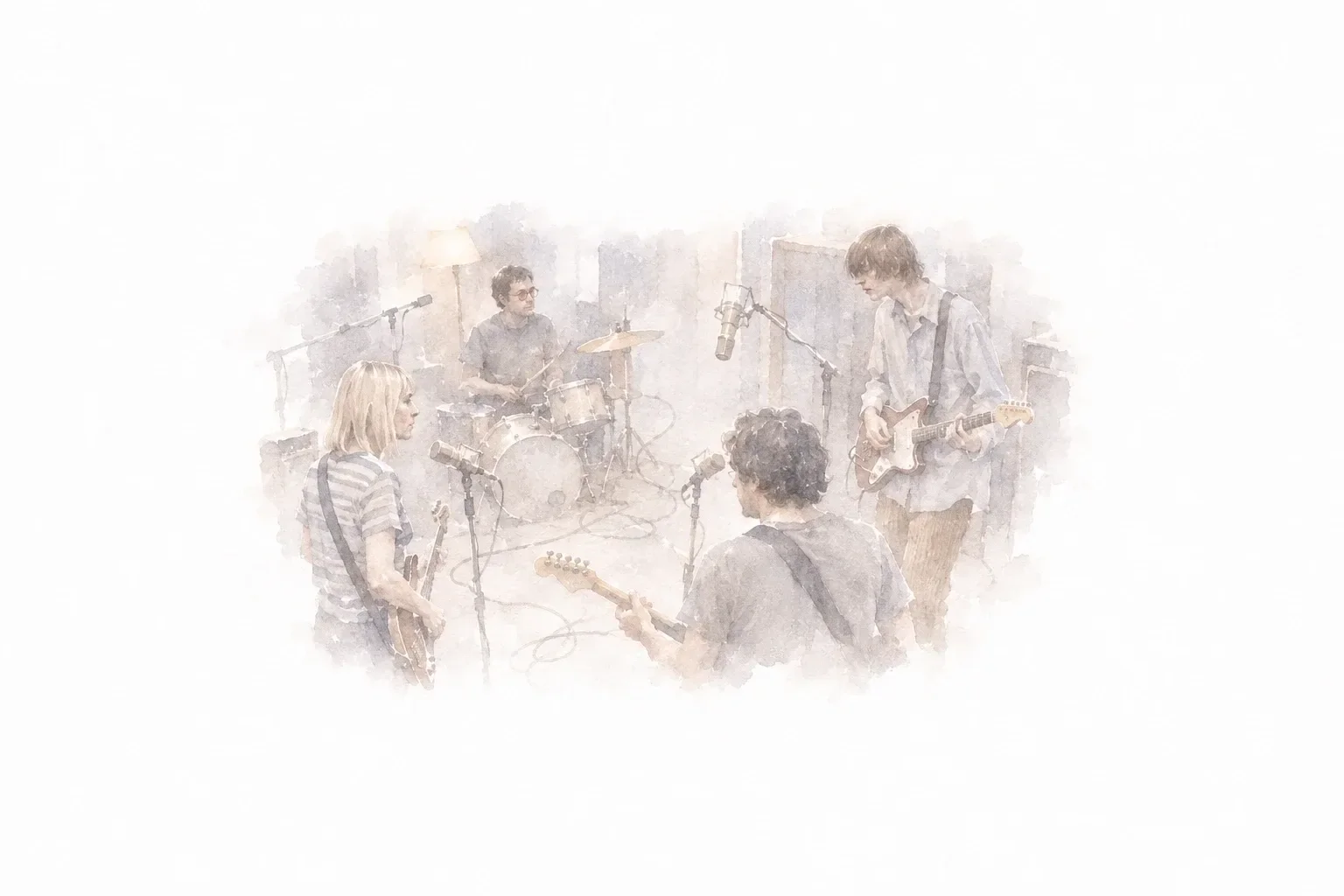
Experimental Jet Set, Trash and No Star was recorded in the fall of 1993 at Sear Sound in New York. Co-producing with the band was Butch Vig—the same man who had recorded Nevermind two years earlier. You might have expected him to make Sonic Youth sound sleek and loud, too. The opposite happened: the album was quiet, dry, at times almost homemade. Billboard wrote at the time that the band was looking toward lo-fi—Pavement, Sebadoh, Royal Trux—young bands who recorded any way they could and were proud of it.
Bull in the Heather was recorded the way songs had been recorded in the sixties. According to Vig, the basic track was cut live: all four stood in one room and played together, everything going straight to tape. Almost nothing was overdubbed. Kim Gordon wrote the words and sang them; the music was credited to all four.
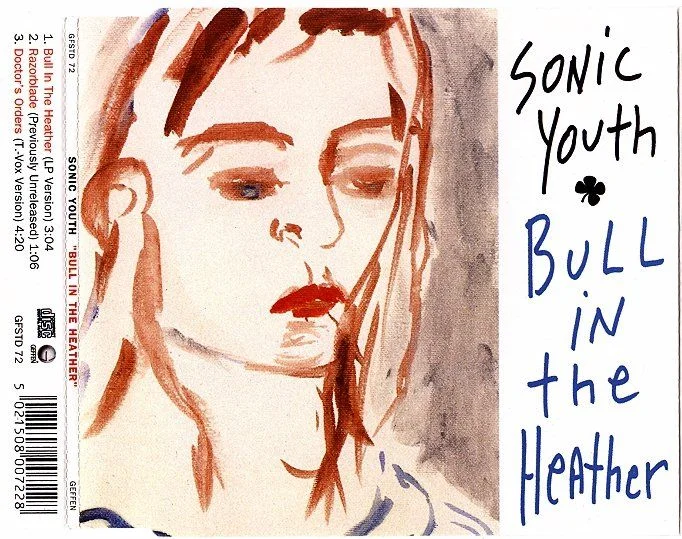
Kim herself drew the single’s cover: a face in fine lines. The record’s designer was Kevin Reagan, who also assembled the album cover from four portraits. The single came out in the spring of 1994 on seven-inch vinyl, silver ten-inch vinyl, CD, and cassette.

How It Works
Bull in the Heather lasts three minutes and four seconds, and it has no chorus. That is the first strange thing about it. An ordinary rock song runs on anticipation: the verse builds tension, the chorus releases it, everyone sings along. Here, where the chorus ought to be, suddenly nobody sings. Instead, the guitars scatter into ringing, scraping, and humming, then gather themselves back into the same stubborn pattern. The release comes from noise, not the voice.
Chris Lawrence, a Sonic Youth scholar who has spent years taking their songs apart note by note and string by string, divides Bull in the Heather into four sections, repeated twice, followed by one more return to the beginning, like an echo. His outline is below. Click on any section to start the video at that point.
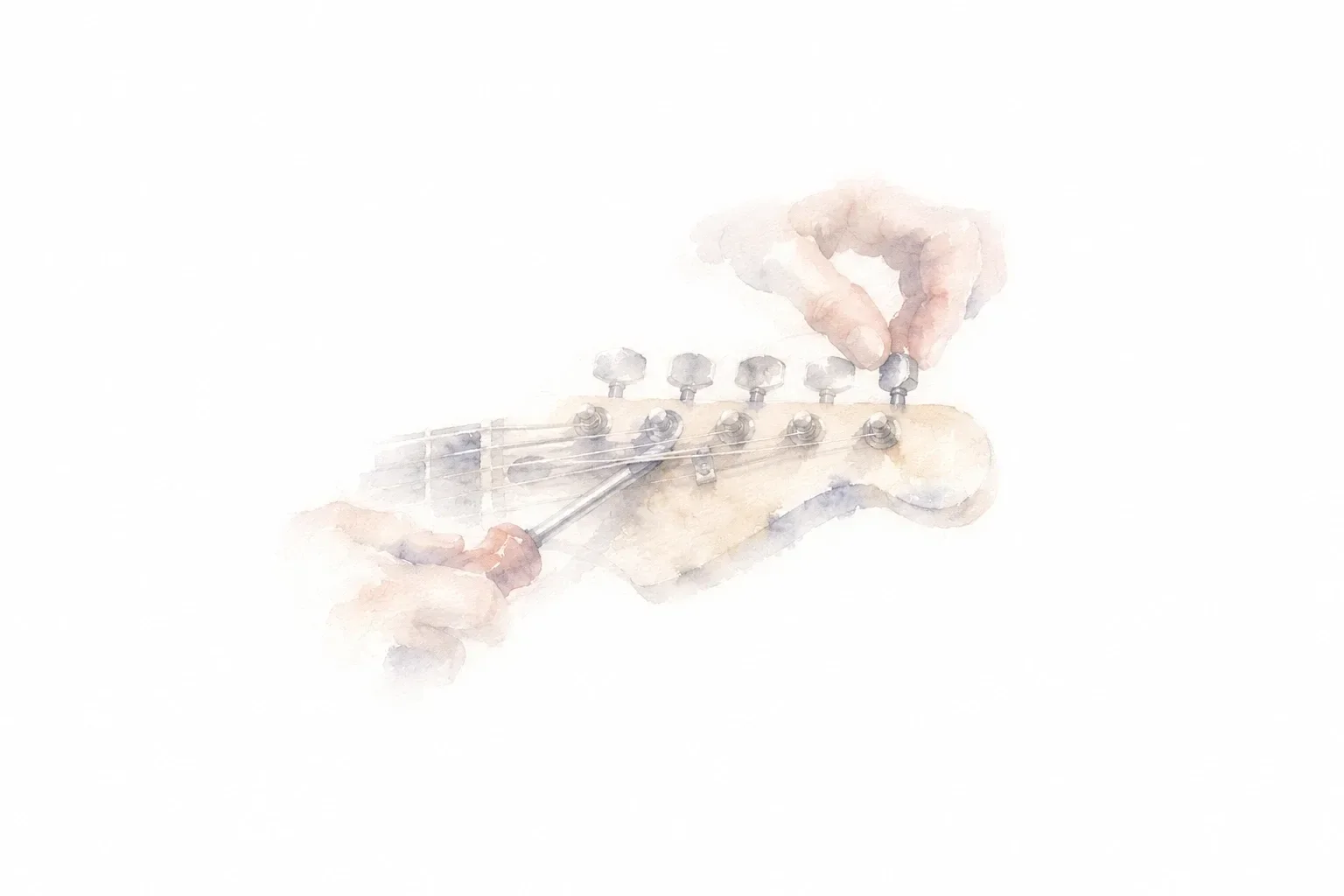
The tunings are unusual, too, and each player has a different one. Thurston’s strings, from low to high, are tuned G, G, D, D, D-sharp, D-sharp. Three pairs of almost identical notes, with two neighboring pairs only a semitone apart—which accounts for the uneasy, slightly sour ringing when they sound together. Lee’s are G, G, C, G, C, D. Kim, meanwhile, uses perfectly ordinary bass tuning. Two guitars, each retuned its own way, hold on to one normal bass like two kites on a single string.
The critic Martin Seay noted that tuning strings to the same note was a favorite device of Glenn Branca, the New York composer whose guitar orchestra had once included both Moore and Ranaldo. In a song played on MTV, you can hear the echo of avant-garde symphonies for twelve electric guitars.
And then there is the voice. In Bull in the Heather, Kim Gordon neither sings at full strength nor screams, as she had in so many Sonic Youth songs. She delivers the words evenly, lazily, sometimes mockingly. One reviewer called it “clipped half-speaking, half-singing.” In 1994, when everyone around her was straining their lungs, such restraint sounded like defiance.
The Rebellion of Stillness
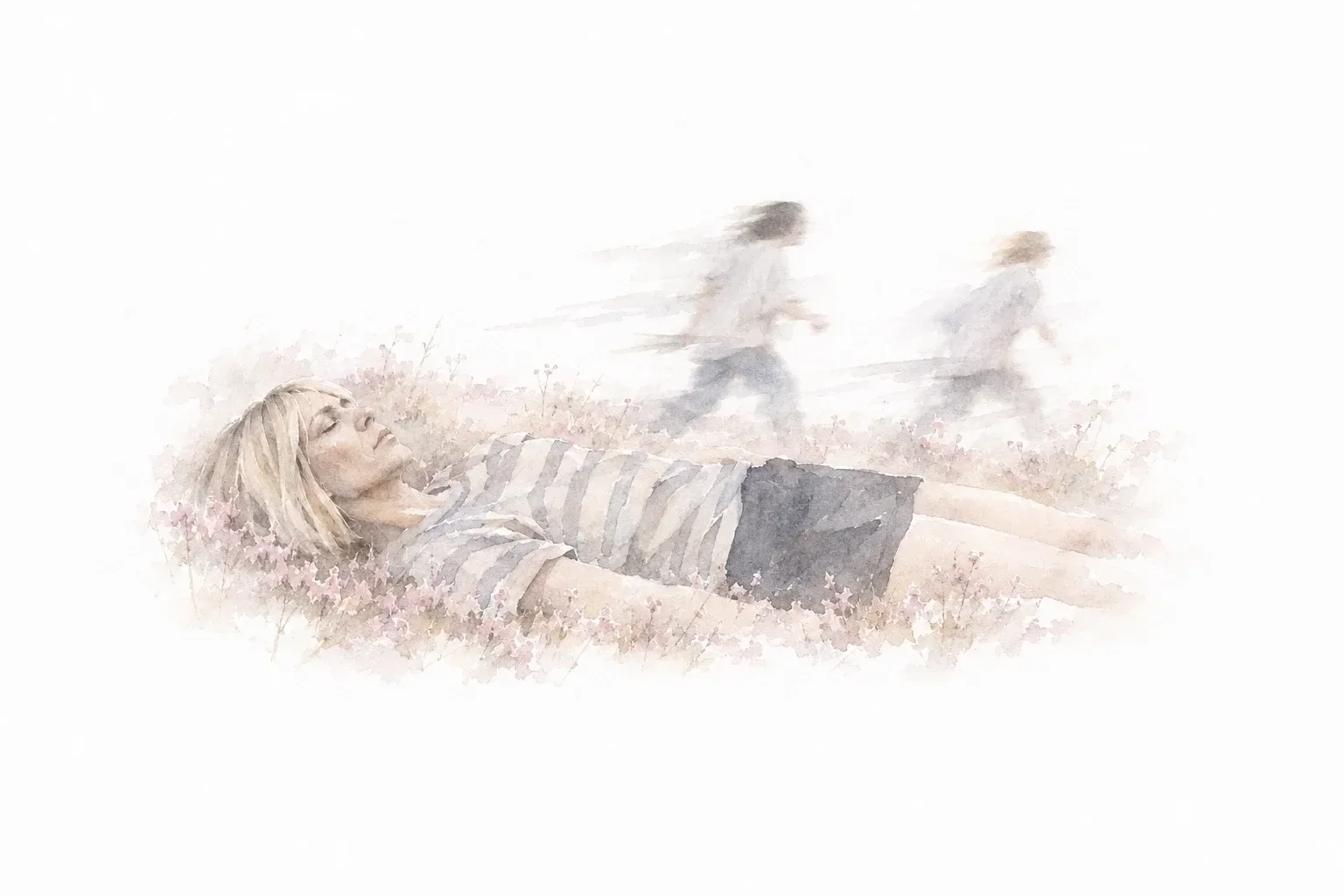
Kim Gordon’s explanation of the song was brief: it was about passivity as a form of rebellion. No shouting, no battering at doors, no arguing your case—just refusing to play by somebody else’s rules. Lie down in the heather and stay there, however often they call you.
There are few words in the song. They repeat, they count, they give orders, and the whole thing resembles a game in which one person tests another: will you notice, will you stay, will you be famous for me? The critic Martin Seay singled out one line—Tell me that you're famous for me—and perhaps it holds everything: weariness with fame, the game of pursuing it, and a sneer at the way newspapers and television in 1994 chose their heroes for the week.
There is a racehorse in the title, and you might suppose the song is about betting, about putting your money on a person as you would on a horse. But that is our reading. Gordon herself said nothing of the kind, and the horse most likely found his way into the title simply because his name was beautiful.
In the spring of 1994, passivity as rebellion was hardly an abstract idea. Nearby, riot grrrl was making itself heard—girl punk bands demanding room for women in music, in front of the stage, and in the papers. They were the ones who had to shout all the time. And Gordon invited one of the loudest of them into her video.
The Girl with the Pigtails
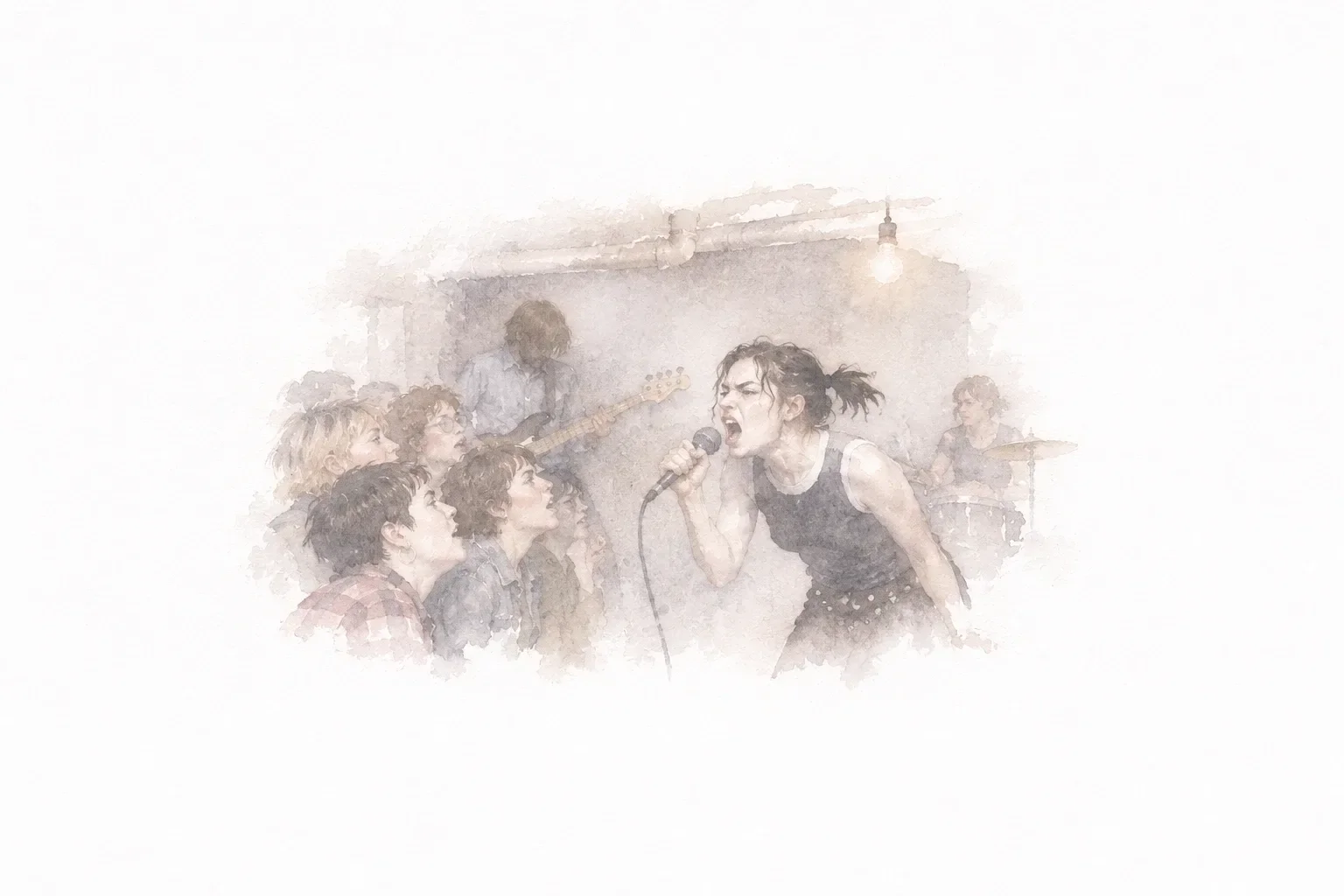
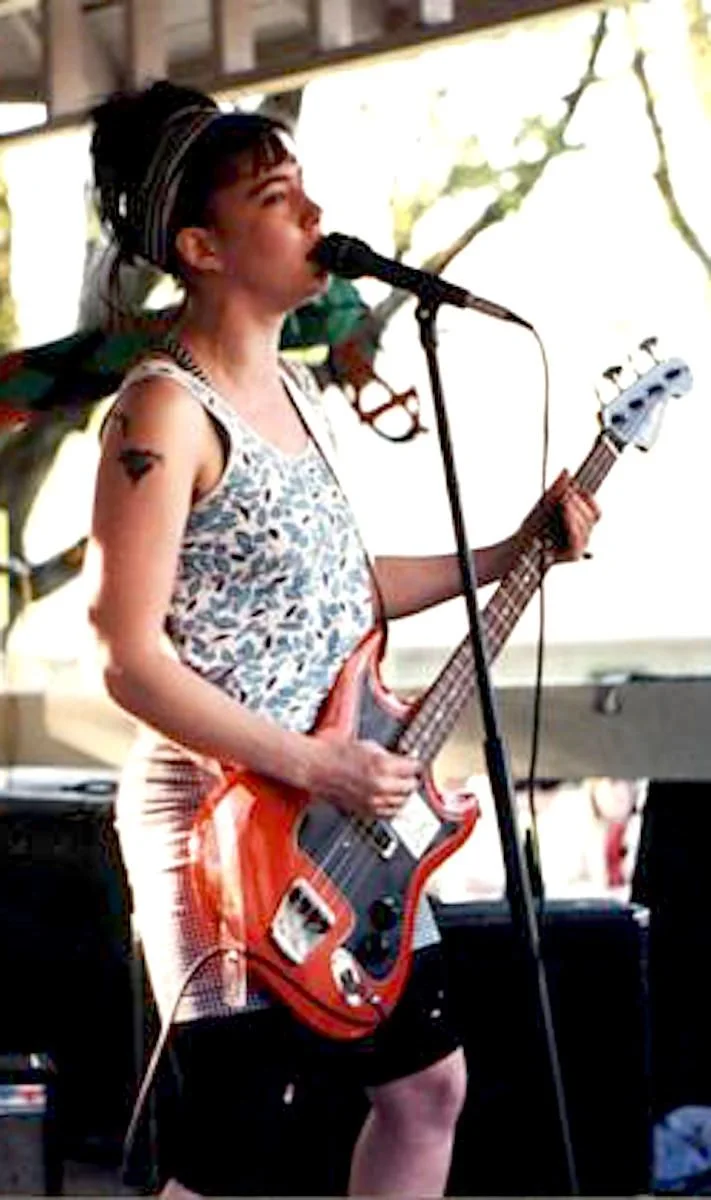
Kathleen Hanna was twenty-five in 1994. Four years earlier, she had formed Bikini Kill in Olympia, Washington. Olympia then was a small universe of its own: a college where artists and musicians studied, tiny record labels, photocopiers turning out homemade magazines—zines. Hanna wrote zines, made art, took whatever work she could, and sang as though trying to reach the back row of a hall she had never had.
Bikini Kill became one of riot grrrl’s leading bands. At their shows, Hanna asked the boys to move back and the girls to come forward, toward the stage: “girls to the front.” It sounds unremarkable, but in the early nineties it was almost a scandal. At punk shows, the front rows had long belonged to boys shoving and jumping while the girls stood at the back, looking over their heads.

Hanna also had a hand in one of the most famous lines of the nineties, though she was not the one who sang it. One evening, she and Bikini Kill’s drummer, Tobi Vail, went into a store and saw a deodorant called Teen Spirit. Later, Hanna took a marker and wrote on the wall at her friend Kurt Cobain’s place: “Kurt Smells Like Teen Spirit.” Cobain thought it meant something revolutionary about the spirit of youth and asked whether he could use the phrase for a song. Hanna said yes. A few months later, Smells Like Teen Spirit was blasting out of every window. Hanna would later repeatedly object to the familiar explanation that the phrase referred to Cobain’s girlfriend’s deodorant: that, she said, was totally false.
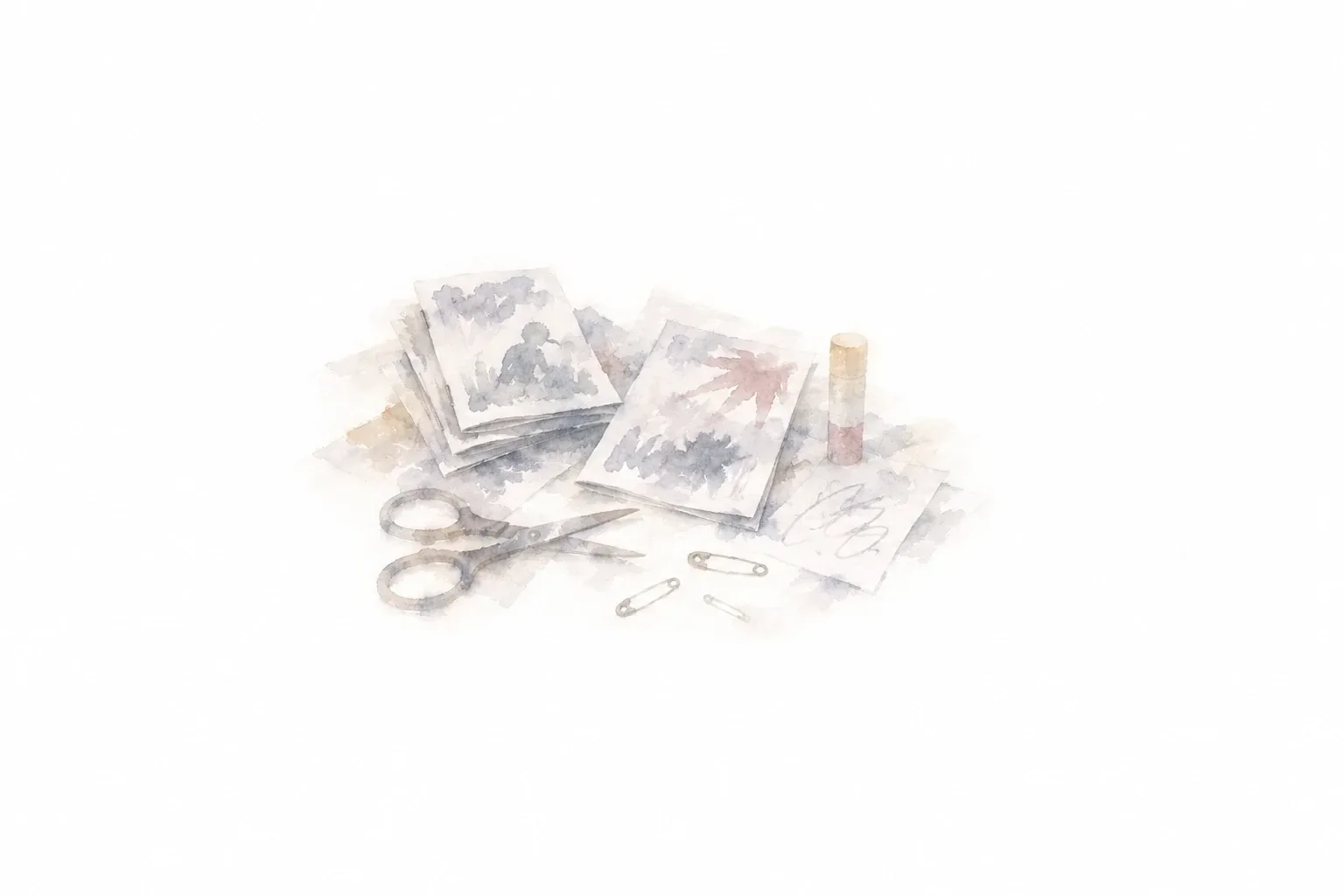
The louder the movement became, the more eagerly the papers covered it—and the worse the coverage grew. Journalists asked riot grrrl musicians about the violence they had endured, about whether Hanna really had worked as a stripper, set them against one another, then published stories about angry, miserable feminists who hated men. By late 1992, many of the women in the movement had stopped giving interviews. Hanna later explained that she was protecting her sanity: you could not keep telling a stranger the worst things that had happened to you, only to open a magazine and find a caricature of yourself.
That is why her appearance in the Sonic Youth video meant more than asking a friend over to dance. She did not say a word to the camera. But for the first time in a long while, millions of people saw her—and saw someone funny, mischievous, and utterly free, rather than angry and miserable.
Five Hundred Dollars and a Plate of Cookies
The video was directed by Tamra Davis, a friend of the band who had already made videos for the Beastie Boys and would later make films. She and Kim Gordon devised it together. According to Chris Lawrence, Gordon first wanted to invite the New York Knicks’ cheerleaders to dance, then decided it had to be Hanna. Kim was pregnant at the time, expecting her daughter Coco.
Hanna flew to Los Angeles. Many years later, she explained quite simply why she had agreed: they paid her five hundred dollars, and she was broke. They explained nothing—just told her to dance. She was terribly nervous; it was the first time she had ever had professional hair and makeup, and in her anxiety she ate an entire plate of chocolate-chip cookies set out for the crew. So the wild dance that millions would watch again and again was, by her own account, just sugar.
No one’s too cool to be in a Sonic Youth video.
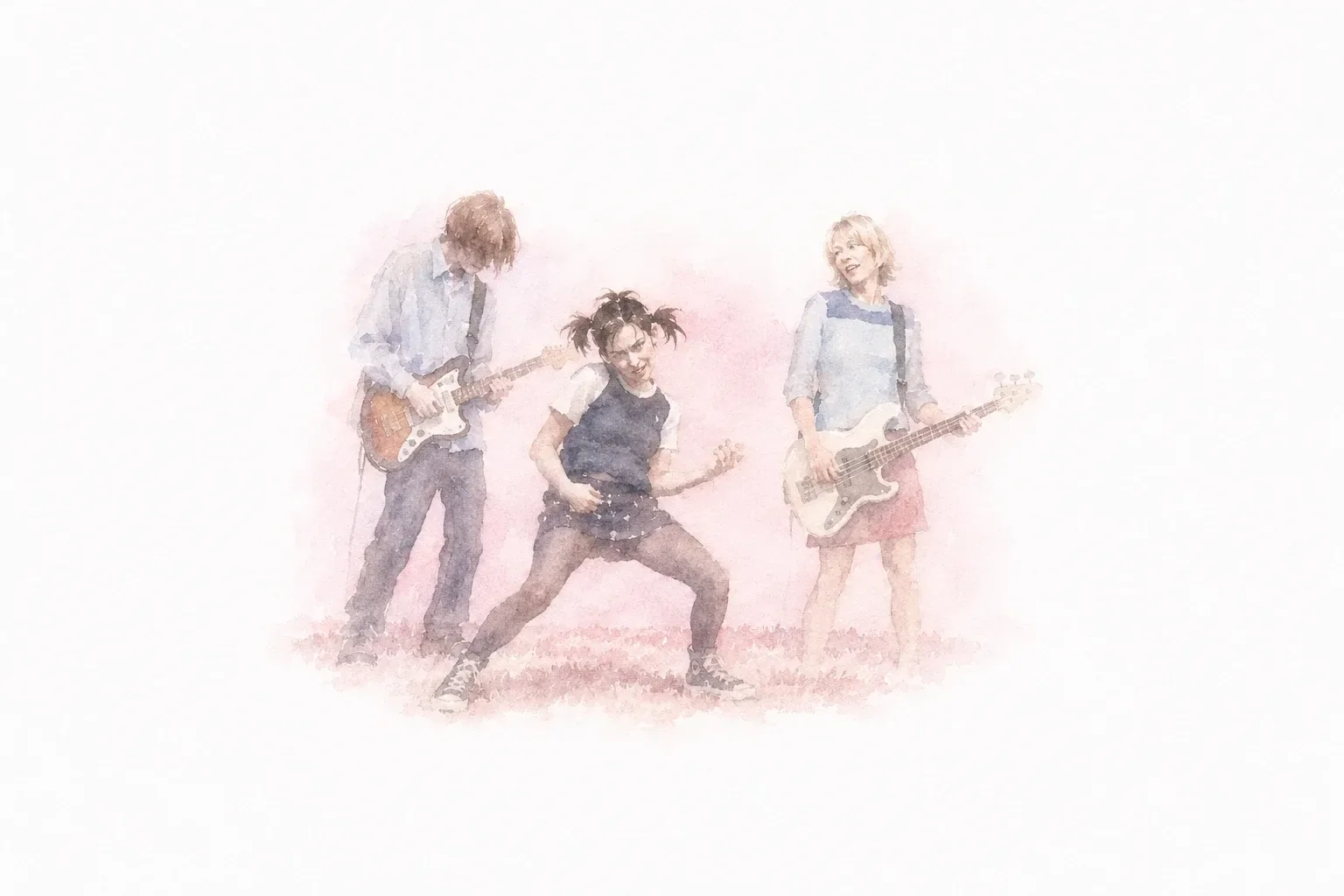
Watch the video closely, second by second, and you can see that it is assembled from several different worlds, which replace one another without any plot.
The first is the pink room with a carpet on the floor, where the band plays. Eight seconds in, Thurston plays in a pale-blue shirt as Hanna walks past. At forty seconds, Kim is filmed from above: a white Fender Musicmaster bass, a pale-blue top with a blue panel, a pink skirt. At forty-five seconds, Kim and Hanna stand side by side; Hanna wears a dark sleeveless top over a white T-shirt. At one minute fifty, Hanna, in dark tights and pigtails, dances right in front of Thurston. At two minutes five, she lifts her dark top to show her stomach beside Kim and Thurston, who are trying to play with straight faces. This is what she does throughout: knocks the musicians out of their rock poses, mimics them, refuses to let them take themselves too seriously. A New Yorker critic remembered her kissing everyone, starting with Kim.
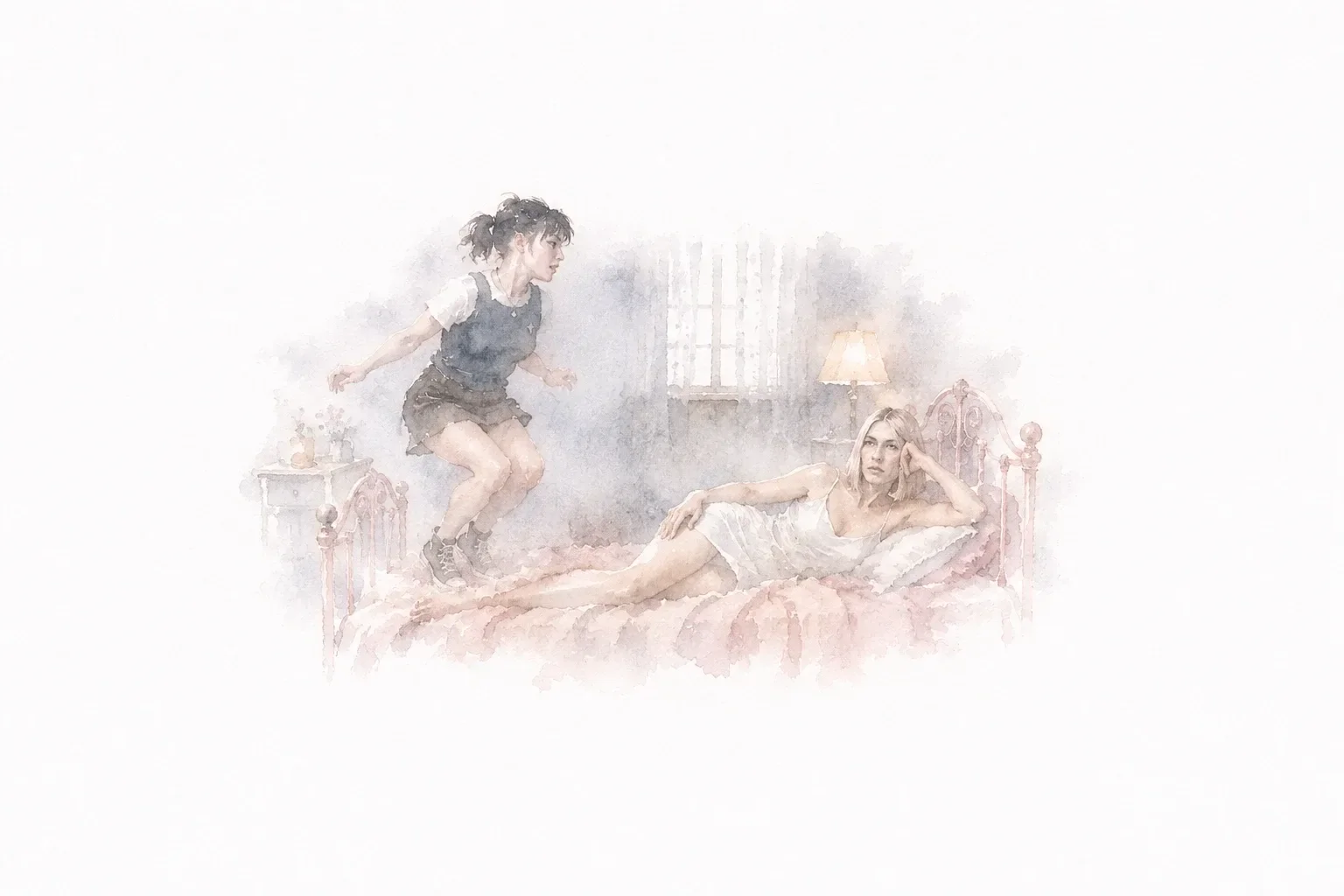
The second world is bedrooms. One is washed in green light, with glimpses of Thurston, his hair sticking out in every direction as in childhood photographs. The room was reportedly built from pictures of his actual childhood bedroom. The other has a sumptuous pink bed, on which Kim lies in a light-colored dress. Lawrence reads this as a reference to the 1956 film Baby Doll, whose heroine also reclines on a bed, petulant and motionless. Stillness, remember, is the song’s subject.
The third world is racing. At one minute fifteen and one minute twenty-five, horses with numbered saddlecloths race across the screen, the track rail flickering past. We could not establish which race it was, and will not pass it off as the one in Florida. But there are horses in the video, which means the band remembered where the title came from.
There is one more world: a curtain, a neon sign, and Hanna in a red top. So she has more than one outfit in the video—at least two.




Bull in the Heather
Video review
“…the star of the show is #1 riot grrrl and Bikini Kill vocalist Kathleen Hanna in a non-speaking part.”
After the shoot, Hanna returned to Olympia. She went to the Kill Rock Stars label’s office—and there learned that Kurt Cobain had died. He was found on April 8, 1994; his death was dated to the fifth. The video featuring her came out a few weeks later. Sonic Youth’s album, recorded the previous fall, appeared in early May, and many heard it as a farewell, though the band had written it while Cobain was alive.
Hanna had a long life ahead of her. In 1998, she recorded a solo album under the name Julie Ruin; a year later, she formed the electronic band Le Tigre, turning feminist punk into dance music. Then she disappeared from the stage for a long time, only explaining why in the 2013 documentary The Punk Singer: she had Lyme disease, and for several years could barely sing. She came back—first with the band The Julie Ruin, then, in 2019, with Bikini Kill again. Her memoir Rebel Girl appeared in 2024. Bull in the Heather can be heard in both The Punk Singer and Tamra Davis’s own documentary The Best Summer, shown at Sundance in 2026.
Spring 1994 in the Papers
On April 19, 1994, the label sent the single out to college and alternative radio stations. In Los Angeles, KROQ—the West Coast’s most influential rock station—picked it up immediately. On May 7, the song entered the British singles chart, climbing to number twenty-four. By mid-June it had reached number thirteen on the American alternative rock chart, where it spent eight weeks. From late June, the video was in rotation on MTV. The album reached number ten in Britain and number thirty-four in America. Modest by Nirvana’s standards; a great deal for a band that had started out playing basements.
Sonic Youth Looks Back to the Future
Bradley Bambarger on the new album
The single Bull in the Heather will go to alternative and college radio on April 19; the album is due on May 10. The band talks about simplicity and the young lo-fi bands—Pavement, Sebadoh, Royal Trux.
Stark, airy
From the review
“…the stark, airy single ‘Bull In The Heather’”.
Hanging Out on the Fringe
Sunday edition, Calendar section
A major feature on Sonic Youth on the eve of the album’s release—a band that has spent twelve years on the fringe and somehow found itself at the center.
On May 17, Sonic Youth played Bull in the Heather on David Letterman’s late-night show. Kim came out in a number-three Knicks basketball jersey—the jersey of guard John Starks. A second basketball connection in the story of one song: first the Knicks cheerleaders who had almost been invited into the video, then the jersey on television. No official recording of that performance is currently available online: Letterman’s production company blocked it, and only fan copies circulate.
Who Covered It
Bull in the Heather has no famous cover that everyone knows, the way everyone knows covers of Bob Dylan songs. But a remarkably varied assortment of people have covered it, each in their own way.
The first, it seems, were Madder Rose—a New York band who, according to the concert database setlist.fm, played the song at London’s Astoria as early as April 9, 1994, before the single had even reached radio. No recording of that show could be found.
The most touching cover came out in 1995. Josephine Wiggs of the Breeders and Kate Schellenbach of Luscious Jackson—once the drummer in the earliest incarnation of the Beastie Boys—called themselves Ladies Who Lunch and released a seven-inch on Grand Royal titled Kims We Love. On one side was Kim Gordon’s Bull in the Heather; on the other, the Pixies’ Gigantic, sung by Kim Deal. They recast both songs in an electronic, mechanical idiom, and CMJ called the result a “Kraftwerkified version.”
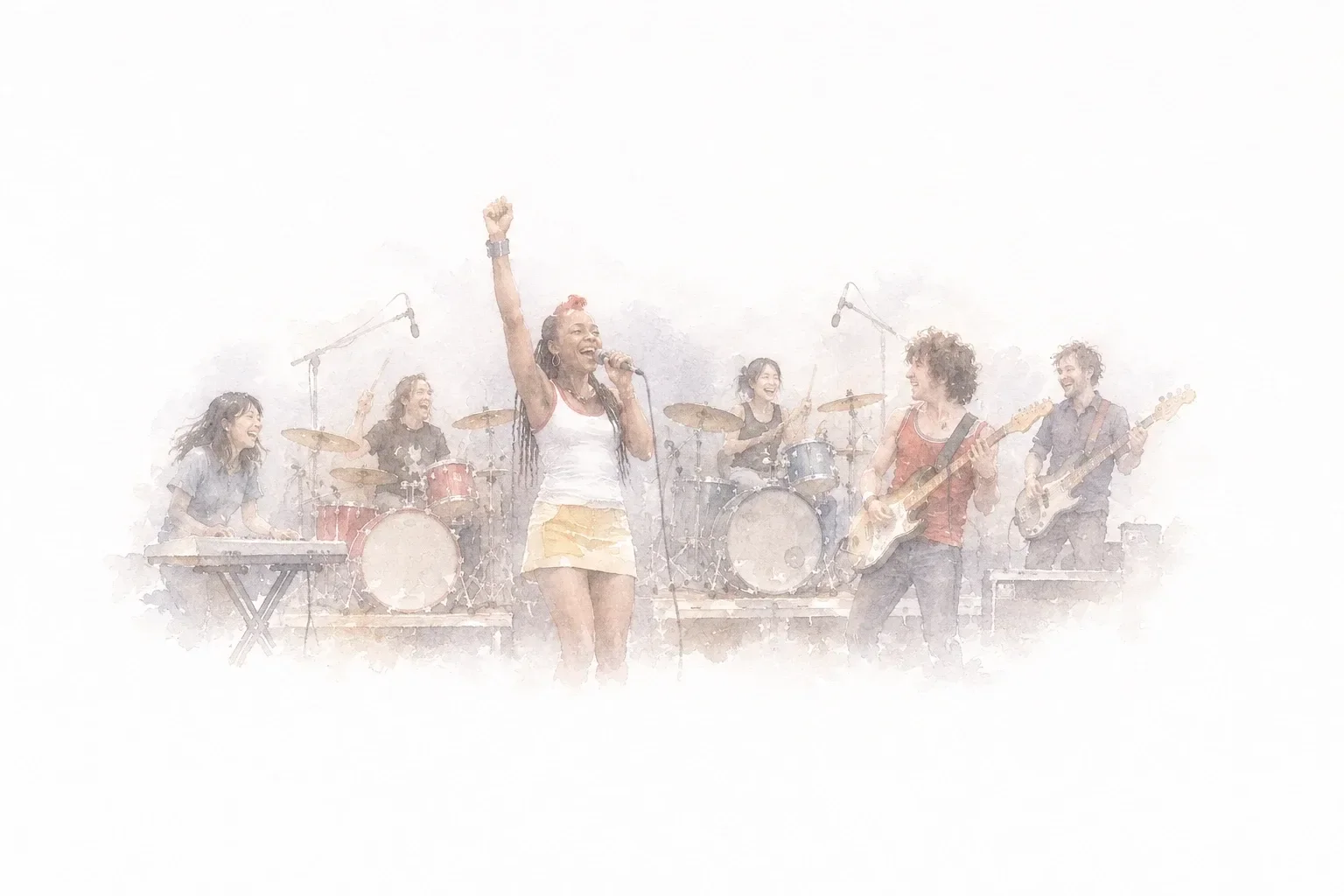
The best-known version was recorded in 2007 by Britain’s The Go! Team—Ian Parton’s noisy, joyful band, in which a woman called Ninja raps while two drum kits clatter behind her. Their Bull in the Heather sounds like a playground song, playful and buoyant but recognizable from its first bars. The cover appeared on the vinyl single Grip Like a Vice and among the bonus tracks for Proof of Youth. The musicians seem never to have explained why they chose this particular song.
After that, things grow steadily stranger. In 2008, the American band Cavedoll put the song on their album Robot Love. The Japanese band ORIGAMI made a version that, one reviewer wrote, had little in common with the original beyond the title shouted near the end. In January 2018, a Sonic Youth tribute assembled on Bandcamp yielded two versions at once: La Fea pieced theirs together from fragments of Klaxons, the Beatles, William Shatner, and the DJ Grandmixer D.ST, while The Bionick Mann joined Bull in the Heather to Winner's Blues, the album’s opening song, in a single six-minute suite. In 2020, the Connecticut band Doom Beach recorded it for a charity compilation. And in 2024, Sponge, fellow veterans of the nineties, marked the thirtieth anniversary of their debut with 1994, an album of songs from that year; their Bull in the Heather became, in the words of a Goldmine reviewer, “swirly psychedelic.”
Pearl Jam have never played it in full. But in 1996 and 2000, Eddie Vedder wove lines from it into the end of Daughter at least six times in concert—in Cork, at Wembley, in Istanbul, Barcelona, Pittsburgh, and Seattle.
What It Left Behind
A song’s influence is hard to measure, but several musicians have acknowledged this one directly.
Stephen Malkmus of Pavement, Sonic Youth’s friends and disciples, told SPIN that his 1997 song Stereo had been an attempt to do something like Bull in the Heather, “but maybe be a little catchier.” Listen to them back to back and you can hear it: the same lazy voice, the same guitar by turns ringing and scraping, the same springy bass.
Julian Casablancas of the Strokes, according to NME’s account, admitted that he had simply stolen the guitar part for the 2003 song 12:51 from Bull in the Heather. We could not find the original interview, so the claim must remain NME’s responsibility—but put the two songs side by side and the confession sounds plausible.
In 2021, Aaron Maine of Porches worked the counting and repetition from Bull in the Heather into his song Swimming Big. He explained that it was about the guitar bands he had listened to when he was starting out, and that he found the counting rhyme soothing.
Sonic Youth played Bull in the Heather more than three hundred times in concert, from 1994 until the band broke up in 2011. Rolling Stone ranked the video sixty-eighth among the hundred greatest music videos of all time; SPIN placed the song thirty-seventh among the hundred best alternative songs of 1994. Even Beavis and Butt-Head showed it in 1994, though history is silent on what they said about it.
Part Two. The Horse
Twenty-Nine to One

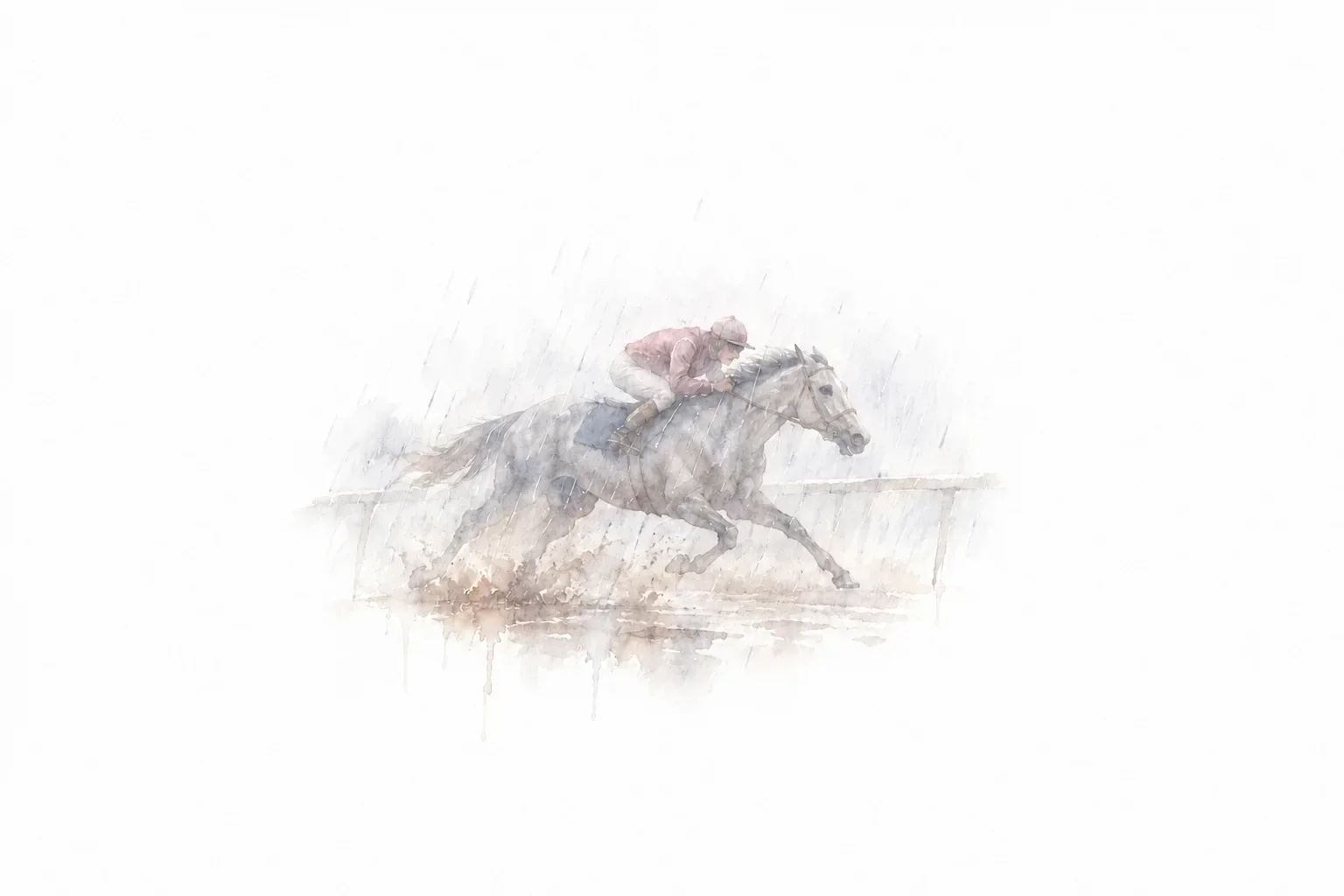
Now let us go back a year, to South Florida. March 20, 1993, Gulfstream Park, the Florida Derby—one of the major spring tests for three-year-olds with their sights on the Kentucky Derby. Rain has been falling all day, turning the track to liquid mud. Thirteen horses go to the start. Among them is a gray stallion, Bull Inthe Heather. His odds are twenty-nine to one. Almost nobody believes in him.
Nine furlongs, just under two kilometers. He runs somewhere around eighth, in the middle of the field, where mud flies from the hooves ahead. On the far turn, his jockey finds a gap and guides him between horses. The favorite, Great Navigator, fades. In the stretch, the gray passes Storm Tower and pulls away.
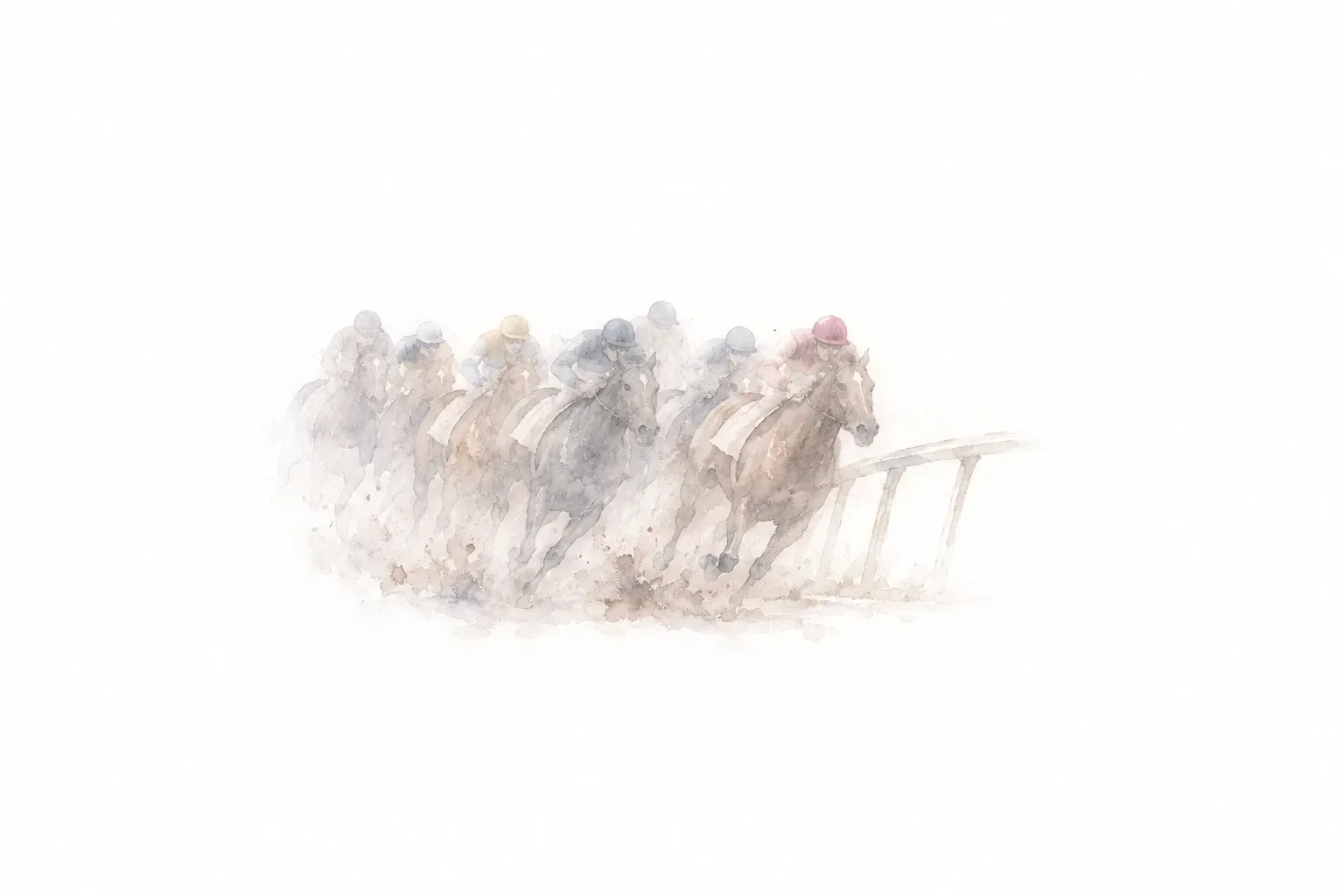
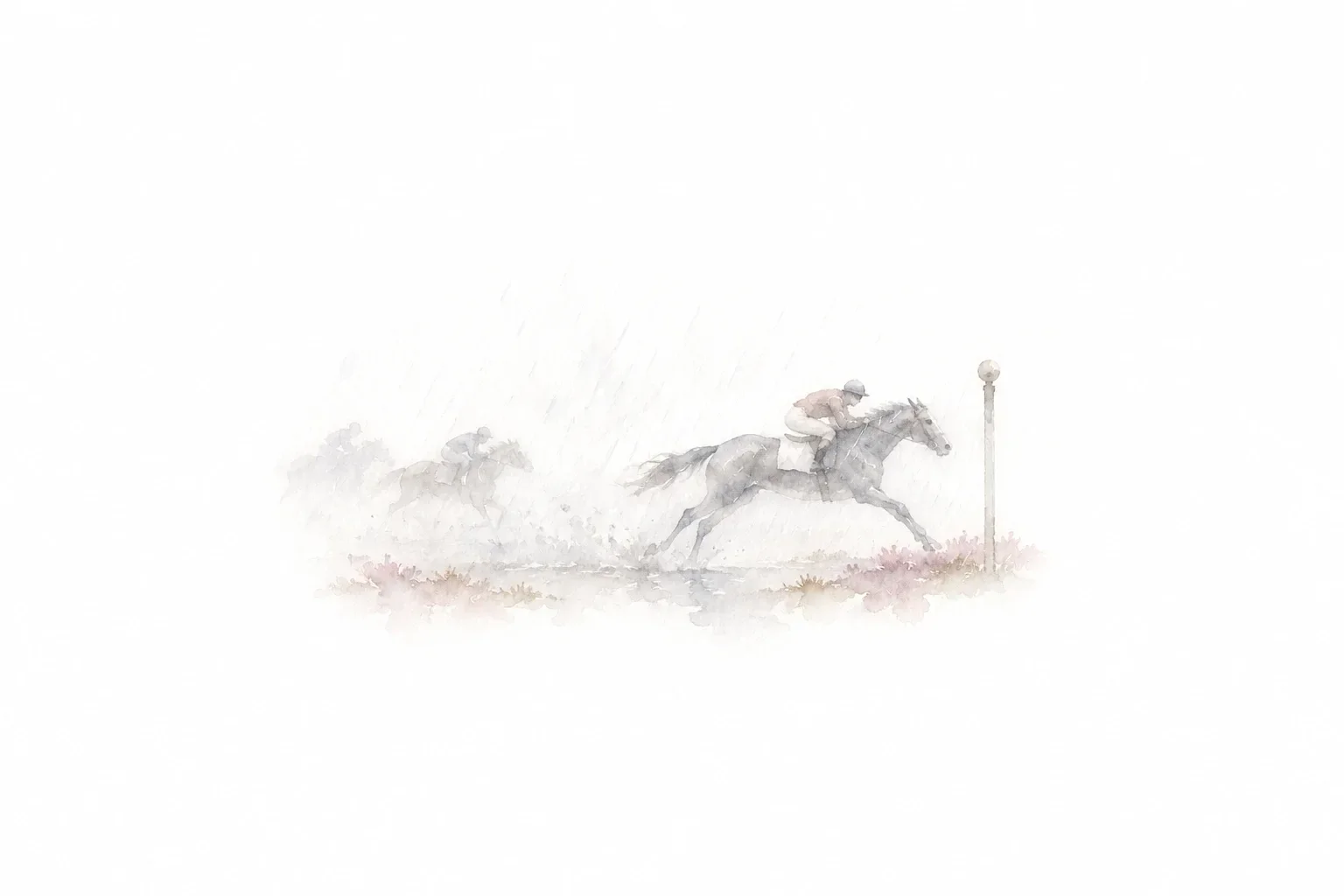
He finishes first, two lengths clear. The time is one minute fifty-one and one-fifth seconds. Anyone who put two dollars on him collects sixty dollars and eighty cents.
Bull Inthe Heather Scores Upset
Bill Christine, Sports section
The gray son of Ferdinand, a long shot, won the Florida Derby on Gulfstream Park’s sodden track.
Bull Inthe Heather wins Florida Derby
Les Kjos, Hallandale, Florida
A wire report from the day of the race.
His Father’s Son, and Why “Inthe”
Bull Inthe Heather’s father was famous. He was Ferdinand, the bay who won the Kentucky Derby in 1986 under fifty-four-year-old Bill Shoemaker—the oldest jockey ever to win the Derby—and was named America’s Horse of the Year the following year. His mother was the mare Heather Road. The foal was raised in Kentucky, at Claiborne Farm.
There are different accounts of where his father’s name came from. The Thoroughbred historian Avalyn Hunter links it to Ferdinand the bull in Munro Leaf’s 1936 children’s book—the bull who did not want to fight in the bullring, preferring to sit beneath a cork tree and smell the flowers. His owner, the oil magnate Howard Keck, recalled that the name came from a buffalo figurine belonging to his wife, Elizabeth. Either way, there is a bull in the son’s name, too—only he is in the heather rather than beneath an oak, on his mother’s road. We could not discover who chose the name Bull Inthe Heather.
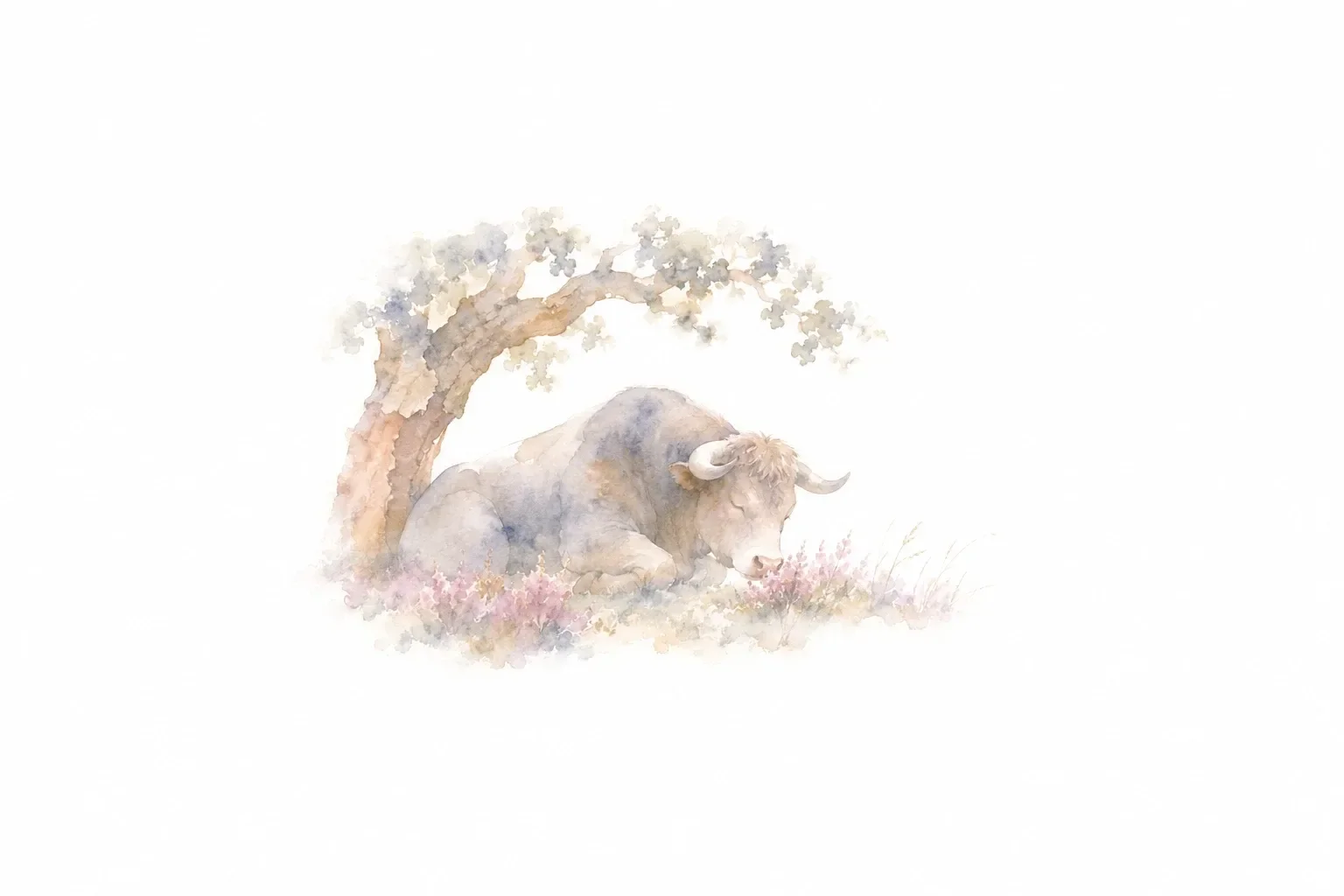
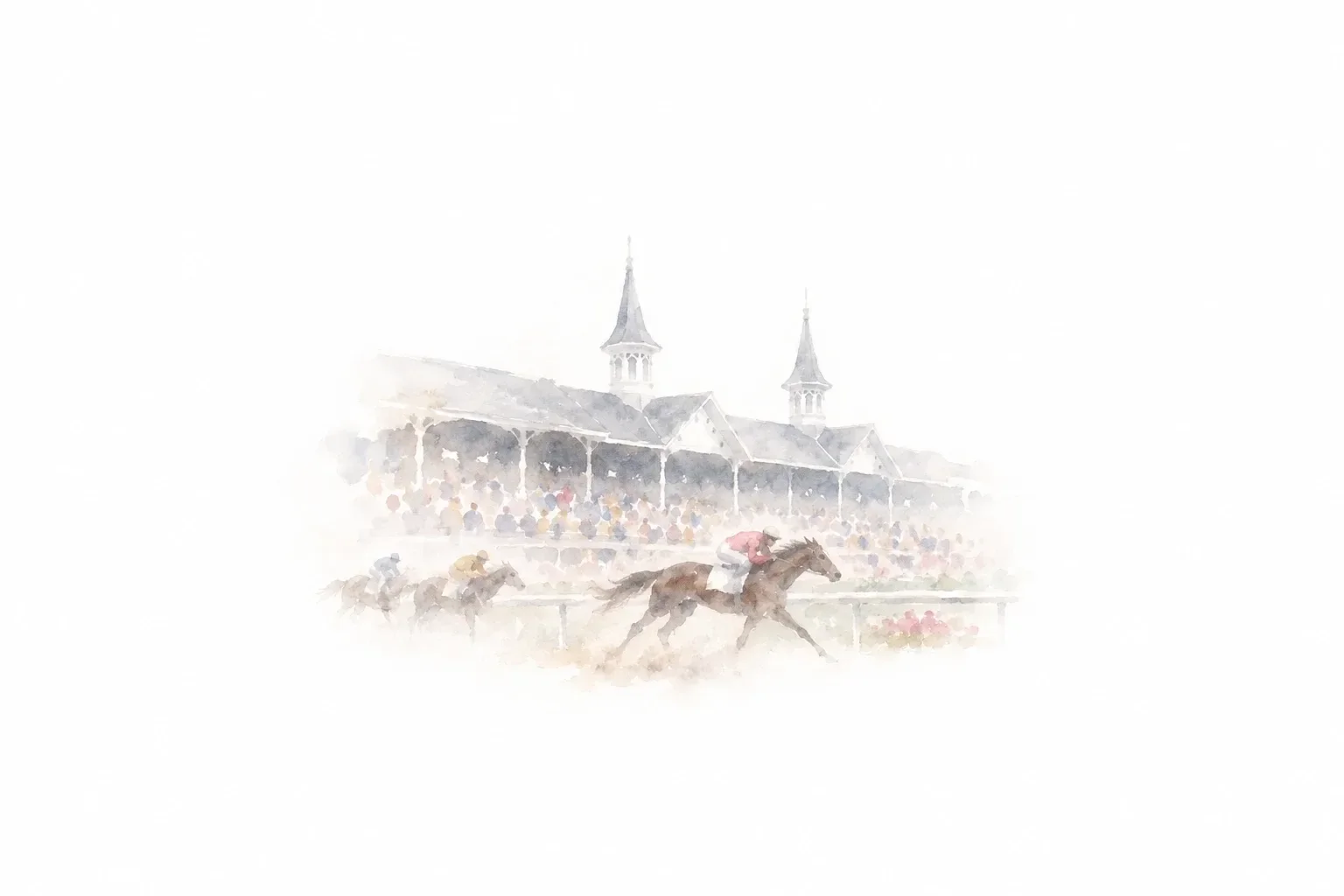
Now for the reason “Inthe” is written as one word. The American Jockey Club’s rules allow a racehorse a name of no more than eighteen characters, counting spaces and punctuation. Count them: “Bull In The Heather,” with spaces, is nineteen characters. Too long. “Bull Inthe Heather” is exactly eighteen. We found no document stating that this was why the owners joined the words. But the arithmetic speaks for itself.
How Racehorses Get Their Names
You cannot name a racehorse just anything you please. In America, names are approved by the Jockey Club; in Britain, by Weatherbys, with international rules governing both. No more than eighteen characters. No naming a horse after a living person without their written consent. Nothing commercial, nothing obscene. And there is a list of names permanently closed to newcomers, protecting the names of winners of the world’s great races and its most celebrated sires. There will be no second Seabiscuit.
Most often, a name is assembled from the parents’ names, like a riddle. The British champion Kauto Star’s father was Village Star; his mother was Kauto Relka. Seabiscuit’s father was Hard Tack: both names mean the ship’s biscuit taken on long sea voyages. Bull Inthe Heather is put together the same way: the bull from his father, the heather from his mother.
Sometimes, something slips through that should not have. A horse called Hoof Hearted raced in South Africa—read it aloud and you will understand what they noticed too late. A famous eighteenth-century stallion was called Potoooooooo. According to legend, a stablehand told to write down the name Potatoes wrote Pot followed by eight o’s: “pot-eight-o’s,” which sounds almost like “potatoes.”
After the Victory
On May 1, 1993, Bull Inthe Heather ran in the Kentucky Derby—the very race his father had won seven years earlier. He finished eleventh. Other starts followed, second places, the Belmont Stakes, but there was never another victory like the one in the Florida downpour. In October 1994, when the song bearing his name was already known around the world, he finished ninth at Belmont Park—last.
A racing career is short. He was sent to stud, and for the next twelve years almost nobody thought of him.
The Father
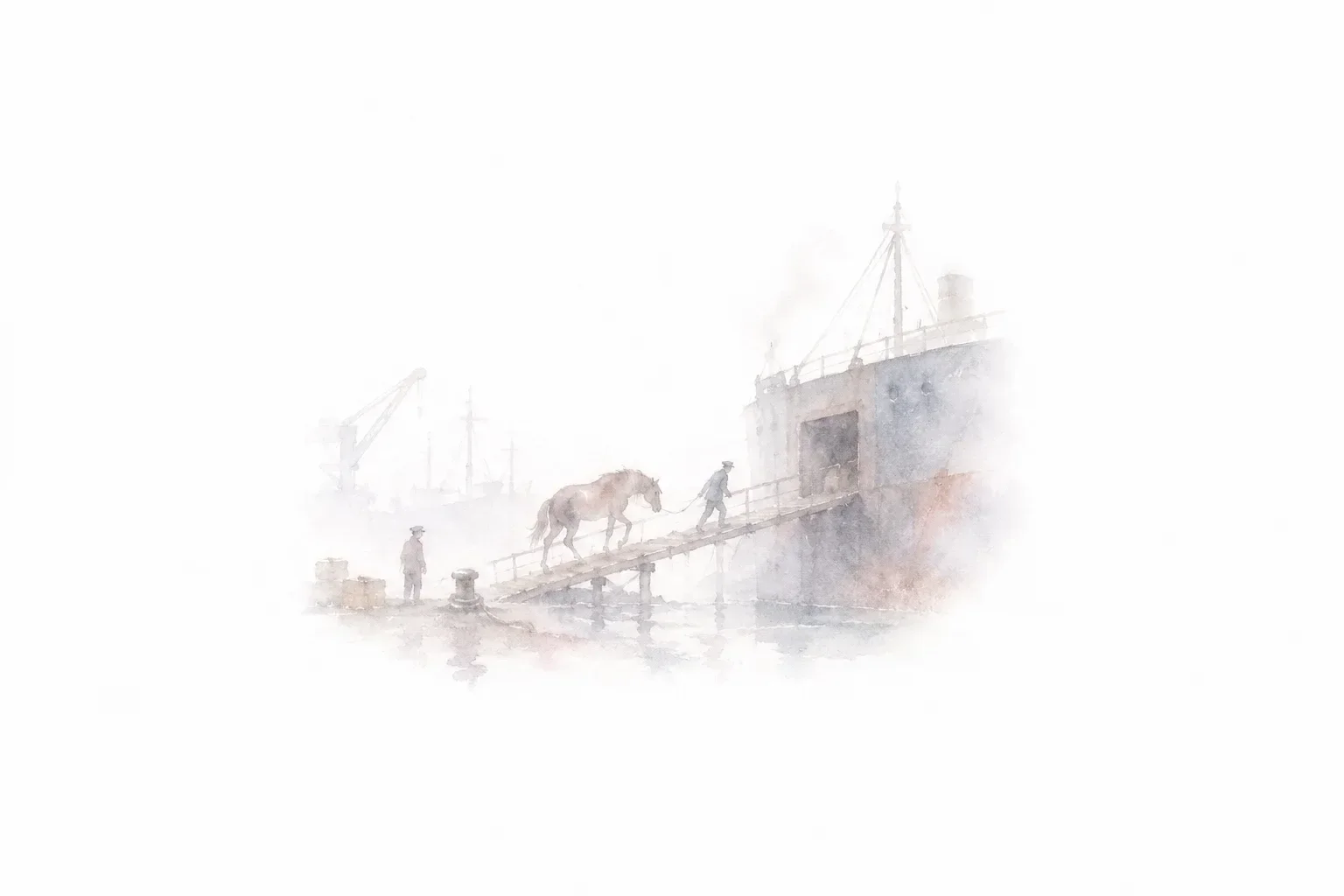
Ferdinand, meanwhile, was sold to Japan in 1994. He stood at stud there for six years. Then the trail goes cold. In 2003, the American magazine Blood-Horse reported that the Kentucky Derby winner and America’s 1987 Horse of the Year had died in Japan in 2002—most likely in a slaughterhouse. Exactly where and when was never established.
The American racing world was appalled. New York racetracks introduced a voluntary “Ferdinand Fee”—two dollars to support retirement homes for former racehorses. Contracts for stallions sold abroad began to include the right to buy the horse back and bring him home when he was no longer wanted.
Ferdinand Likely Slaughtered in Japan
Based on Ray Paulick’s report in Blood-Horse
The 1986 Kentucky Derby winner appears to have died in a slaughterhouse in Japan.
Old Friends
In 2003, Michael Blowen, a former film critic for The Boston Globe, opened Old Friends, a farm near Georgetown, Kentucky, where retired racehorses could live out their days in peace. He had had the idea earlier, but after Ferdinand’s story, people began to offer serious help.
In 2006, Ferdinand’s son, Bull Inthe Heather, arrived. At the farm they simply called him Bully. He loved treats, loved having his back scratched, and challenged his neighbors to races along the paddock fence—no longer for money or glory.
April
In April 2014, Bully was twenty-four. He was suffering from the ailments of old age, and he was put to sleep—quietly, at Old Friends, the farm people began to support in earnest after his father’s death.
Almost exactly twenty years had passed since the spring when MTV was showing a video with his name and a girl in sneakers. He knew nothing about it, of course.
A gray foal by Ferdinand out of Heather Road is born at Claiborne Farm in Kentucky.
Bull Inthe Heather wins the Florida Derby at odds of 29 to 1.
Sonic Youth record Bull in the Heather in New York.
The single goes to radio. Kathleen Hanna dances in the video.
Experimental Jet Set, Trash and No Star is released.
Ferdinand is sold to Japan.
Ferdinand dies in Japan.
Michael Blowen opens Old Friends.
Bully arrives at Old Friends.
Bully is put to sleep at the farm, aged twenty-four.
Bull in the Heather. Sonic Youth, 1994.
Bull Inthe Heather. 1990–2014.